
Vietnam Rainy Season Complete Travel Guide: Where to Go, What to Expect, When to Visit, and Travel Tips
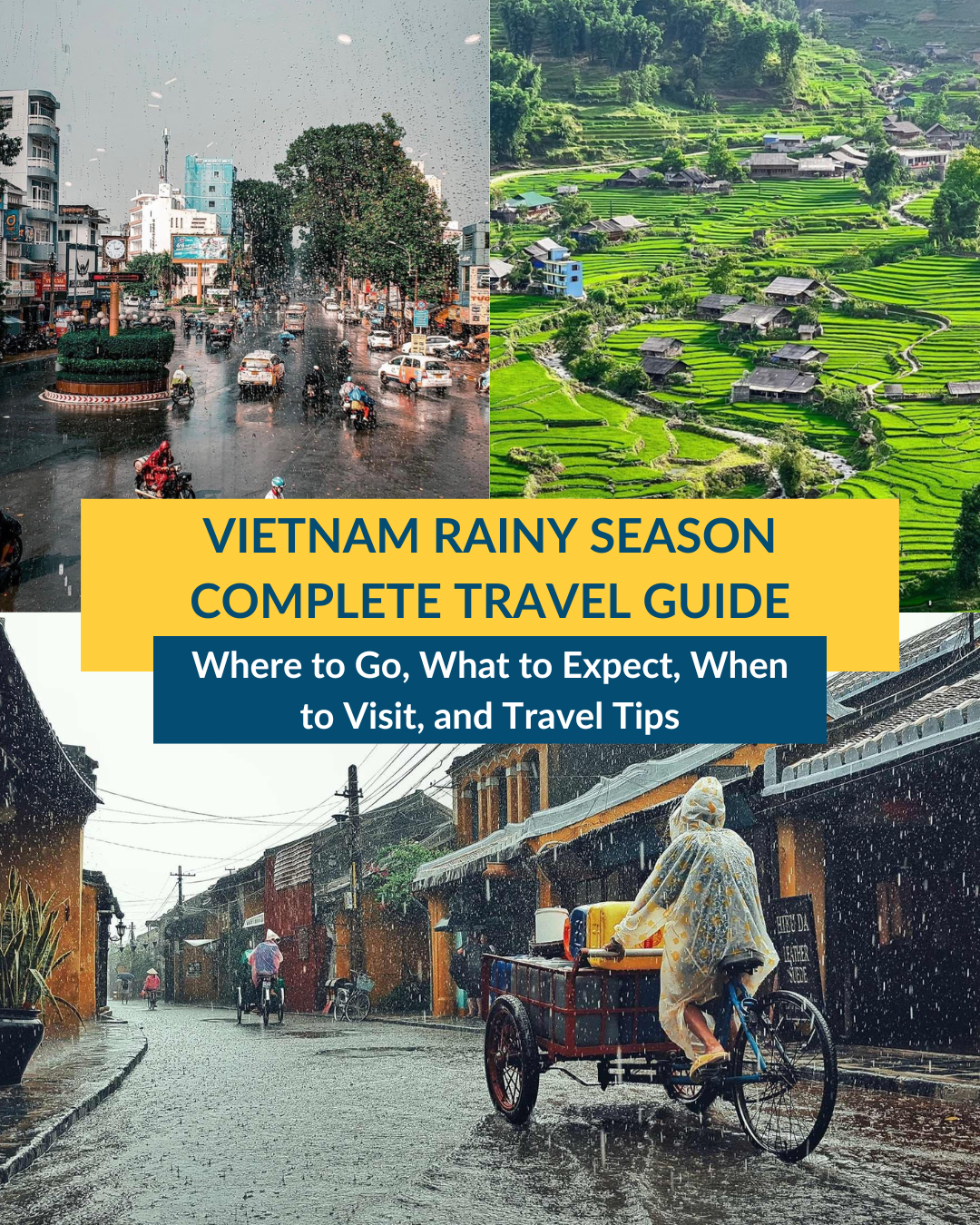
Many travelers hesitate to plan a trip during the Vietnam rainy season, worrying that constant rain will ruin their holiday. However, Vietnam’s weather is incredibly diverse, and the rainy season doesn’t affect the entire country at the same time. While one region may be experiencing afternoon showers, another could be enjoying clear skies and perfect sightseeing conditions.
In this guide, Prime Travel covers everything you need to know about the rainy season in Vietnam, including when it occurs in different regions, what weather to expect, the best destinations to visit, places to avoid, and practical travel tips. This article will help you get to know everything you need to plan your trip to Vietnam during the rainy season.
When Is the Rainy Season in Vietnam?
Overview of Vietnam’s climate during the rainy season
One of the most important things to know before planning a trip is that there isn’t a single Vietnam rainy season. Stretching over 1,600 kilometers from north to south, Vietnam has three distinct climate zones, each with its own weather patterns. This means the rainy season arrives at different times depending on the region, making it possible to find sunny destinations somewhere in the country throughout the year.
In general, the rainy season in Vietnam is influenced by the tropical monsoon climate. Rather than experiencing nonstop rain, most destinations receive short but heavy showers, often in the late afternoon or evening. These showers usually last one to two hours before the skies clear again.
The rainy season also brings greener and more vibrant landscapes, waterfalls are at their most impressive, and mountain valleys are covered in lush vegetation. Popular tourist attractions are often less crowded, while hotels and flights may offer lower prices compared to the peak travel season. For many budget travelers, this advantage is a plus.
Northern Vietnam, Central Vietnam, and Southern Vietnam each experience rainfall during different months, so choosing the right destination at the right time can make a significant difference. In the following sections, we’ll break down the rainy season in each region to help you decide when and where to travel.
Rainy season in Northern Vietnam
Northern Vietnam, home to destinations such as Hanoi, Sapa, Ha Long Bay, Ninh Binh, Ha Giang, and Pu Luong, typically experiences its rainy season from May to September. During these months, warm temperatures and high humidity bring frequent afternoon showers and occasional thunderstorms.
While rainfall is more common than in the dry season, it rarely rains continuously throughout the day, allowing travelers to continue sightseeing with a little flexibility. In addition, the amount of rainfall varies depending on the destination. Mountain regions such as Sapa and Ha Giang usually receive heavier rain than lowland areas like Hanoi and Ninh Binh.
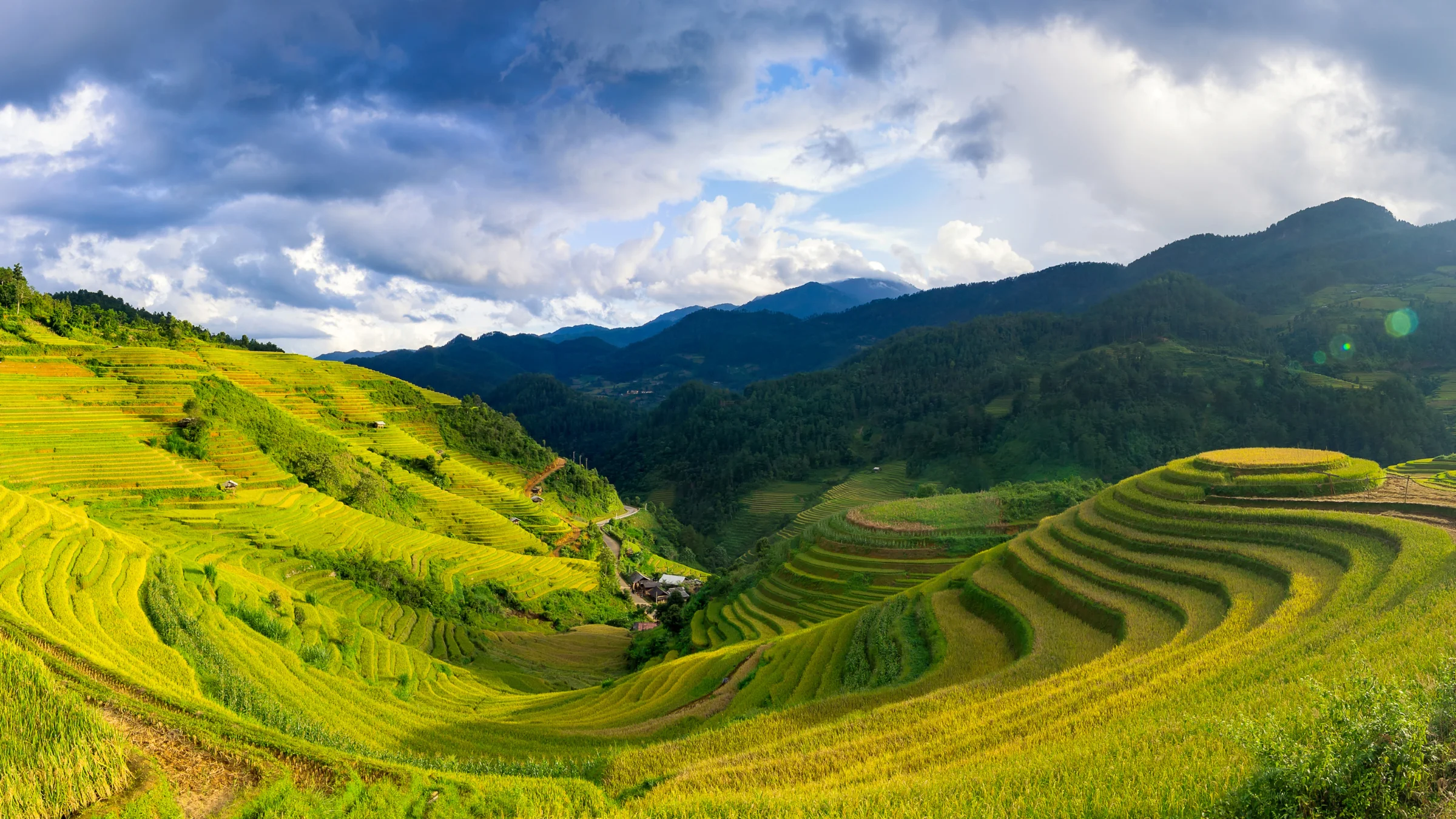
The rain also transforms the landscapes, creating lush green valleys, full rivers, and spectacular waterfalls. For nature lovers, this is one of the most beautiful times to visit Vietnam during the rainy season, especially if you enjoy vibrant scenery and fewer tourists.
There are also seasonal highlights that make the rainy months particularly rewarding. In Sapa and Mu Cang Chai, the rice terraces begin filling with water in May before turning brilliant green throughout the summer. Ninh Binh’s limestone landscapes become even more picturesque as rice fields flourish and rivers flow through emerald valleys.
Although occasional showers may interrupt outdoor plans, they often clear quickly, leaving behind fresh air and dramatic skies that are perfect for photography.
If you’re traveling in Northern Vietnam during the rainy season, it’s best to plan outdoor activities in the morning when the weather is generally more stable. Carrying a lightweight rain jacket or umbrella is usually enough for most days. With the right preparation, destinations across Northern Vietnam remain excellent choices.
Rainy season in Central Vietnam
Unlike Northern and Southern Vietnam, Central Vietnam has a later rainy season. Most destinations along the central coast, including Da Nang, Hoi An, Hue, and Quy Nhon, experience their wettest months from September to December. This means travelers visiting between March and August can usually enjoy sunny weather, calm seas, and excellent conditions for sightseeing and beach activities.
The rainy season in Vietnam affects Central Vietnam differently because of the Truong Son Mountain Range and the northeast monsoon. During autumn, tropical storms and typhoons from the East Sea can bring heavy rainfall, strong winds, and occasional flooding, particularly in low-lying areas such as Hoi An and Hue. While these weather events don’t occur every year, it’s important to monitor forecasts if you’re planning to visit Vietnam during the rainy season.
Even during the rainy months, the weather isn’t always gloomy. There are often dry periods between rain showers, especially in September and early October. However, from October to November, prolonged rainfall is more likely, and some outdoor attractions or boat tours may be temporarily suspended due to safety concerns.
If your itinerary during this time includes Central Vietnam, timing is everything. For beach holidays and outdoor adventures, plan your visit between March and August, when destinations like Da Nang, Hoi An, and Nha Trang enjoy warm temperatures and plenty of sunshine. If you’re traveling during the Vietnam rainy season, consider spending more time in Northern or Southern Vietnam instead, where weather conditions may be more favorable depending on the month. Understanding these regional differences will help you make the most of your trip while avoiding the heaviest rainfall.
Read more>>Da Nang or Nha Trang: Which One Should You Visit?
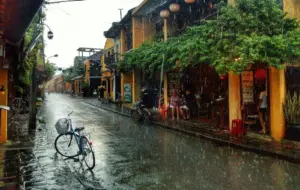
Rainy season in Southern Vietnam
Southern Vietnam, including Ho Chi Minh City, the Mekong Delta, Phu Quoc, and Con Dao, typically experiences its rainy season from May to November. Like much of tropical Southeast Asia, the weather is characterized by warm temperatures, high humidity, and short but intense afternoon showers.
Most rain showers in Southern Vietnam last between 30 minutes and two hours before giving way to sunshine again. Mornings are often bright and dry, making them ideal for exploring Ho Chi Minh City’s landmarks, cruising through the Mekong Delta, or relaxing on the beach. Many travelers simply plan indoor activities or café breaks during the afternoon if the rain arrives.
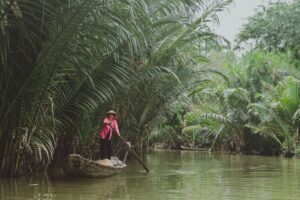
The rainy season also brings lush green landscapes and cooler temperatures compared to the hotter dry months. The Mekong Delta becomes especially beautiful as canals and fruit orchards flourish, while destinations like Con Dao are peaceful with fewer tourists. Although Phu Quoc also experiences rainfall during this period, showers are usually brief, and there are still plenty of opportunities to enjoy the island’s beaches and attractions, particularly in the early part of the day.
If you’re planning to visit Vietnam during the rainy season, Southern Vietnam can still be an excellent choice. By understanding the local climate, you’ll find that the rainy season in Vietnam offers a quieter, greener, and often more affordable way to experience the country’s southern region.
Should I Visit Vietnam During the Rainy Season?
The short answer is yes. As long as you plan your itinerary around Vietnam’s regional weather patterns, you will be fine traveling to Vietnam during the rainy season.
Many travelers assume the Vietnam rainy season means days of nonstop rain, but that’s rarely the case. Because the rainy season occurs at different times across the country, it’s often possible to enjoy excellent weather in one region while another experiences seasonal showers. With the right destination and a flexible schedule, you can have an incredible trip even during the summer months.
There are several advantages to choosing to visit Vietnam during the rainy season. Popular attractions are generally less crowded, allowing you to enjoy famous destinations without the peak-season crowds. Hotels, domestic flights, and tour prices are often more affordable, making it an excellent time for budget-conscious travelers.
Of course, there are a few trade-offs to consider. Afternoon showers may occasionally interrupt outdoor activities, and some destinations – especially in Central Vietnam during typhoon season. Mountain trekking routes may also become muddy and more challenging after rain. However, a flexible schedule can solve this problem. Remember to check local weather forecasts and allow some flexibility in your itinerary.
By understanding when each region experiences rainfall and choosing destinations accordingly, you’ll discover that the Vietnam rainy season is not bad at all, and it can actually offer a more authentic and rewarding travel experience.
Read more>>Vietnam Weather by Month: 12-Month Guide for Travelers’ Best Trip

Best Places to Visit in Vietnam During the Rainy Season
Sapa
Although Sapa can be affected during the rainy season in North Vietnam, it remains one of the best destinations to visit between May and September. Frequent showers bring the mountains to life, covering the valleys with lush greenery and creating some of the most spectacular landscapes in Northern Vietnam.
One of the biggest highlights is the famous rice terraces. During May and June, local farmers flood the terraces in preparation for planting, transforming the mountainsides into giant natural mirrors that reflect the sky. By July and August, the fields become vibrant green as the young rice plants grow.
These changing landscapes make Sapa one of the most stunning places to visit in Vietnam during the rainy season, especially for photographers and nature lovers. If you’re lucky enough to visit in August or early September, you’ll also catch the beginning of the golden harvest season.
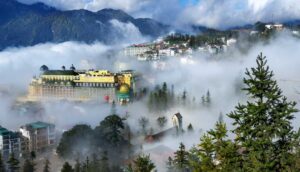
Besides the breathtaking scenery, Sapa offers plenty of outdoor activities and cultural experiences. Visitors can trek through picturesque villages such as Lao Chai, Ta Van, and Y Linh Ho, where ethnic minority communities have lived and worked for generations. Just remember to carry rain gear and wear shoes with good grip, as trails can become muddy after showers.
For travelers seeking dramatic landscapes, authentic cultural experiences, and fewer crowds, Sapa is a perfect choice, and it can be one of the country’s most magical travel experiences if you plan it correctly.
Pu Luong
If you’re looking to escape the crowds, Pu Luong Nature Reserve is one of the best places to visit in Vietnam during the rainy season. Located about four hours from Hanoi, Pu Luong is known for its peaceful atmosphere, emerald rice terraces, limestone mountains, and traditional Thai and Muong villages. During the rainy months, the entire valley comes alive with lush greenery, making it an ideal destination for nature lovers and photographers.
From late May to June, the terraces are freshly planted and covered in vibrant green rice shoots. A second rice season begins in August, with another spectacular harvest arriving in September and October. Thanks to these two growing seasons, Pu Luong offers beautiful rice field scenery for a longer period than many other destinations in Northern Vietnam.
There are plenty of ways to enjoy Pu Luong’s natural beauty. Visitors can hike through terraced valleys, cycle along quiet village roads, visit the iconic bamboo water wheels, or relax in eco-lodges overlooking the rice fields.
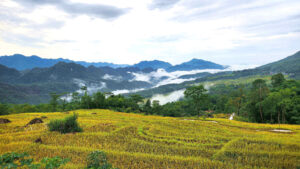
The cooler temperatures brought by occasional rain also make outdoor activities more comfortable than during the hotter summer months. While afternoon showers are possible, they are usually brief and followed by fresh mountain air and dramatic cloud-filled landscapes.
If you’re planning to visit Vietnam during the rainy season, Pu Luong is an excellent alternative to more popular mountain destinations. To make the most of your trip, wear sturdy waterproof shoes, start outdoor activities early in the day, and choose accommodation with valley views so you can enjoy the scenery even when it rains.
Ninh Binh
Often called the “Ha Long Bay on land,” Ninh Binh is one of the best destinations to visit in Vietnam during the rainy season. Located just a two-hour drive from Hanoi, this UNESCO-listed region is famous for its dramatic limestone karsts, winding rivers, ancient temples, and vast rice fields.
The rainy season is also when Ninh Binh’s rice fields are at their most beautiful. In late May and early June, the fields around Tam Coc turn brilliant golden before harvest, creating one of the region’s most iconic landscapes. Many of Ninh Binh’s top attractions can still be enjoyed during the Vietnamese rainy season. Boat tours through Trang An and Tam Coc operate year-round, allowing visitors to glide past caves, limestone mountains, and rice paddies.
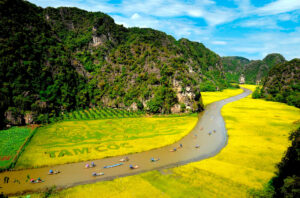
You can also hike to the top of Hang Mua Viewpoint for panoramic views, explore the ancient temples of Hoa Lu, or cycle through quiet countryside roads lined with lotus ponds and villages. Since most showers occur in the afternoon, morning excursions are often the best choice.
For travelers planning to visit Vietnam during the rainy season, Ninh Binh offers the perfect balance of natural beauty, cultural attractions, and accessibility. With fewer crowds, vibrant landscapes, and unforgettable scenery, Ninh Binh is one of the country’s most rewarding rainy-season destinations.
Read more>>A Complete Ninh Binh Guide: Everything You Need for a Perfect Trip
Da Nang
Although Central Vietnam has its rainy season from September to December, Da Nang is still one of the best places to visit in Vietnam during the rainy season – provided you choose the right time.
If you’re traveling between May and August, you’ll enjoy sunny skies, warm temperatures, and ideal beach conditions, while many parts of Northern and Southern Vietnam are experiencing seasonal showers. This makes Da Nang an excellent destination for travelers seeking better weather during the broader Vietnam rainy season.
Da Nang is famous for its long sandy beaches, modern cityscape, and easy access to some of Vietnam’s most iconic attractions. Visitors can relax at My Khe Beach, explore the Marble Mountains, admire the Golden Bridge at Ba Na Hills, or enjoy panoramic views from the Son Tra Peninsula. Thanks to its generally dry weather during the summer months, outdoor activities are rarely affected, making it one of the most reliable destinations for a sunny holiday.

If you’re planning to visit Vietnam during the rainy season, it’s worth noting that Da Nang’s weather changes significantly from September onward. This is when tropical storms and typhoons may bring heavy rainfall, rough seas, and occasional flooding. While sightseeing might still be possible during lighter rain, beach activities and boat tours may be temporarily suspended depending on weather conditions.
For the best experience, aim to visit Da Nang between May and August, when the city enjoys its driest and sunniest weather. By understanding Vietnam’s regional climate, you can take advantage of Da Nang’s favorable conditions while other regions receive more rainfall.
Hoi An
Like nearby Da Nang, Hoi An experiences its rainy season later than most parts of the country. While the Vietnam rainy season begins in May for Northern and Southern Vietnam, Hoi An generally enjoys warm, sunny weather from February to August. This makes it an excellent destination for travelers to experience during the rainy season.
During the dry summer months, Hoi An’s lantern-lined streets, riverside cafés, and historic architecture are at their best. Visitors can wander through the Ancient Town, cycle through peaceful countryside roads, take a basket boat ride at Cam Thanh Coconut village, or relax at nearby An Bang Beach.
The rainy season in Hoi An usually begins around September and lasts until December, with October and November typically receiving the heaviest rainfall. During this period, tropical storms and occasional flooding may affect parts of the Ancient Town. If you’re planning to travel during this period, I recommend checking the weather forecast carefully before going and planning a flexible itinerary in case any storms are coming in.

Da Lat
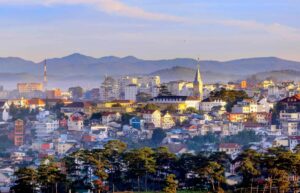
Known as one of the most romantic destinations in Vietnam, Da Lat is one of the most enjoyable cities to visit during the rainy season. Located in Vietnam’s Central Highlands, Da Lat enjoys a cool climate year-round, offering a refreshing escape from the heat and humidity found in many other parts of the country. Even though the city’s rainy season typically lasts from May to October, showers are often short and are followed by clear skies and cool, pleasant weather.
One of the reasons Hoi An’s lantern-lined streets remains so attractive during the Vietnam rainy season is its lush natural scenery. Seasonal rainfall transforms the pine forests, flower gardens, waterfalls, and surrounding hills into vibrant shades of green. Moreover, the cooler temperatures also make exploring the city much more comfortable than during the hotter months elsewhere in Vietnam.
If you’re planning to visit Vietnam during the rainy season, Da Lat is an excellent destination for travelers who enjoy cool weather, beautiful landscapes, and a relaxed atmosphere. With its mild climate, blooming gardens, and charming mountain scenery, Da Lat proves that the rainy season can still be a good time to experience Vietnam’s highlands.
Nha Trang
If you’re dreaming of sunshine and beaches while planning to visit Vietnam during the rainy season, Nha Trang is one of your best options. Located on Vietnam’s south-central coast, Nha Trang enjoys a different weather pattern from much of the country.
Its dry season typically lasts from January to August, while the rainy season doesn’t usually begin until September or October. This makes Nha Trang an ideal beach destination during the summer months, even as Northern and Southern Vietnam experience regular rainfall.
Famous for its long sandy beaches and crystal-clear waters, Nha Trang offers plenty of outdoor activities. Visitors can relax on Tran Phu Beach, take an island-hopping trip, go snorkeling or scuba diving, and enjoy water sports such as kayaking and parasailing. The city is also home to attractions like Po Nagar Cham Towers, Long Son Pagoda, and the mineral mud baths, making it easy to combine beach time with cultural experiences.

From September to December, Nha Trang enters its rainy season, with October and November typically receiving the heaviest rainfall. Although showers become more frequent, they are often shorter and less severe than those experienced in Central Vietnam’s typhoon-prone areas. Travelers visiting during this period can still enjoy many attractions, but it’s a good idea to keep an eye on weather forecasts before planning boat tours or island excursions.
For travelers planning to visit Vietnam during the rainy season, Nha Trang is an excellent choice if your trip falls between May and August. Thanks to its favorable climate, you can enjoy sunny beaches while many other parts of Vietnam are experiencing seasonal showers.
Con Dao Islands
For travelers seeking a peaceful tropical escape, the Con Dao Islands are one of the best places to visit in Vietnam during the rainy season. Located off Vietnam’s southern coast, this archipelago is famous for its crystal-clear waters, untouched beaches, rich marine life, and protected national park.
Unlike many mainland destinations, Con Dao has a unique weather pattern that allows visitors to enjoy pleasant conditions for much of the year, even during the rainy season in other regions. Con Dao experiences rainfall from May to October; showers are usually brief and followed by sunshine. The sea often remains calm on the western side of the islands, making it possible to enjoy beach activities, snorkeling, and diving despite occasional rain.
Con Dao offers much more than beautiful beaches. Visitors can relax at Dam Trau Beach, snorkel around colorful coral reefs, hike through tropical forests, or visit historical landmarks such as Con Dao Prison and Hang Duong Cemetery.

Between May and October, travelers may also have the rare opportunity to witness sea turtles nesting on protected beaches, one of the island’s most remarkable wildlife experiences. Guided nighttime turtle-watching tours are carefully managed to protect these endangered animals while offering an unforgettable experience.
Con Dao is an excellent choice during the rainy season for travelers looking to avoid large crowds and enjoy nature at its finest. Don’t let the rain stop you; it rarely lasts long. With pristine beaches, abundant wildlife, and a relaxed atmosphere, the Con Dao Islands remain one of Vietnam’s most rewarding rainy-season destinations.
Read more>>15 Best Islands to Visit in Vietnam: North to South Island-Hopping Guide
Places to Avoid During the Rainy Season
Central Vietnam during typhoon season
While many destinations in Vietnam remain enjoyable during the Vietnam rainy season, Central Vietnam is one region where travelers should pay close attention to the weather. From September to November, tropical storms and typhoons moving in from the East Sea can bring heavy rainfall, strong winds, rough seas, and occasional flooding. Although these weather events don’t occur on a regular basis, they can significantly affect travel plans when they do.
Popular destinations such as Da Nang, Hue, and Hoi An are among the areas most likely to experience the impact of typhoons. Low-lying areas, particularly in Hoi An Ancient Town and parts of Hue, may experience temporary flooding after prolonged rainfall.
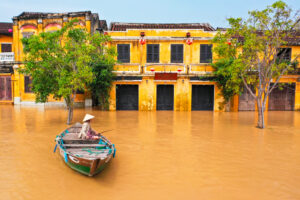
If your itinerary includes Central Vietnam during this period, flexibility is essential. Flights, trains, and buses may occasionally be delayed due to heavy rain or strong winds, especially during active tropical storms. It’s a good idea to monitor local weather forecasts a few days before traveling and consider adjusting your schedule if a typhoon is expected.
This doesn’t mean you should avoid Central Vietnam altogether. If you’re planning to visit Vietnam during the rainy season, simply consider visiting this region before September or after the typhoon season ends. Alternatively, spend more time exploring destinations in Northern or Southern Vietnam, where weather conditions may be more favorable during the same period.
Mountain trekking during heavy rainfall
Mountain destinations in the far north, such as Sapa, Ha Giang, and Cao Bang are among the most spectacular places to visit Vietnam during the rainy season, but they also require extra caution after periods of heavy rain.
While lush landscapes and vibrant rice terraces make these regions especially beautiful, persistent rainfall can make trekking trails more challenging and, in some cases, unsafe. After heavy rain, hiking paths often become muddy and slippery, particularly on steep slopes and narrow mountain trails.
In rare cases, prolonged rainfall may increase the risk of landslides or falling rocks, especially along remote roads and mountain passes. For this reason, it’s important to check local weather conditions before setting out on longer hikes.
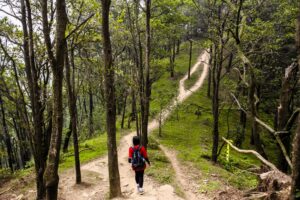
If you’re planning to trek during the Vietnam rainy season, preparation is key. Wear waterproof hiking shoes with good grip, carry a lightweight rain jacket, and pack your electronics in waterproof bags. If heavy rain is forecast, consider postponing your hike or choosing a shorter, easier route instead.
For first-time visitors, hiring a local trekking guide is the safest and most enjoyable option. Experienced guides know which trails remain accessible after rainfall, can adjust routes based on weather conditions, and provide valuable insights into local culture and the surrounding landscapes.
Flood-prone destinations
Although the Vietnam rainy season doesn’t affect every destination equally, some areas are more vulnerable to flooding after prolonged or heavy rainfall. Flooding is usually localized and temporary, but it can disrupt transportation, outdoor activities, and sightseeing. Knowing which destinations are more susceptible will help you plan a smoother and more enjoyable trip.
As mentioned above, one of the best-known flood-prone destinations is Hoi An Ancient Town. During the peak rainy season, particularly in October and November, the Thu Bon River can rise quickly after heavy rain, causing parts of the Ancient Town to become temporarily flooded.
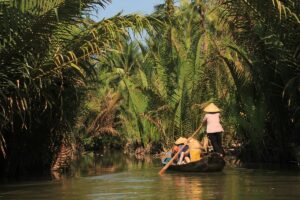
Other than that, Mekong Delta is also a destination that travelers should carefully monitor. Seasonal flooding is a natural part of the region’s ecosystem rather than a disaster. Water levels rise between September and November, enriching rice fields and supporting local agriculture.
If you’re planning to visit Vietnam during the rainy season, don’t automatically remove these destinations from your itinerary. Instead, monitor local weather forecasts, allow flexibility in your travel plans, and avoid scheduling tight connections during periods of heavy rain.
Read more>>Ho Chi Minh to Mekong Delta: Best Tours and Travel Guide
Travel Tips for Visiting Vietnam During the Rainy Season
Traveling during the Vietnam rainy season can still be an amazing experience with the right preparation. Since rainfall is often regional and short-lived, a little flexibility goes a long way. Before your trip, check the seasonal weather for each destination instead of relying on a general forecast for the entire country. This will help you choose the best route and avoid areas experiencing the heaviest rain or typhoon activity.
When planning daily activities, schedule outdoor sightseeing, hiking, and boat tours in the morning whenever possible. In many parts of Vietnam, rain showers are more likely to occur in the afternoon or evening. Keeping a flexible itinerary also allows you to swap outdoor attractions for museums, cafés, or local markets if the weather changes unexpectedly.
Packing the right gear is equally important. Bring a lightweight waterproof jacket or compact rain poncho, comfortable shoes with good grip, and a small umbrella for unexpected showers. Waterproof bags or dry pouches are useful for protecting your phone, camera, passport, and other valuables. If you’re visiting mountain regions such as Sapa or Pu Luong, sturdy hiking shoes are highly recommended, as trails can become muddy after rainfall.
Finally, keep an eye on local weather updates, especially if you’re traveling to Central Vietnam during typhoon season. Flights, ferries, and outdoor tours may occasionally be delayed or rescheduled for safety reasons.
With realistic expectations, flexible plans, and the right preparation, you’ll discover that the rainy season offers greener landscapes, fewer crowds, and excellent value, making it a fantastic time to explore Vietnam.
Frequently Asked Questions
- Is the rainy season a bad time to visit Vietnam?
Not at all. The Vietnam rainy season can actually be an excellent time to travel if you choose your destinations carefully. Because rainfall varies by region, you can often find sunny weather somewhere in the country throughout the year. In addition, you’ll benefit from fewer crowds, lower travel costs, and greener landscapes compared to the peak tourist season.
- Which month has the heaviest rainfall in Vietnam?
There isn’t one single month that is the wettest across the entire country. Northern and Southern Vietnam generally receive the most rainfall between July and September, while Central Vietnam often experiences its heaviest rain from October to November due to the typhoon season.
- Does it rain every day during Vietnam’s rainy season?
Usually, no. In most parts of Vietnam, the rainy season in Vietnam is characterized by short, heavy showers rather than all-day rainfall. Rain often falls in the afternoon or evening, while mornings remain sunny and suitable for sightseeing.
- Is it cheaper to travel to Vietnam during the rainy season?
Yes. One of the biggest advantages of choosing to visit Vietnam during the rainy season is the potential to save money. Hotels, domestic flights, and tour packages are often more affordable than during the peak travel months. Combined with smaller crowds at popular attractions, the rainy season offers excellent value for travelers.
Highly recommend Vietnam tours
- 14-Day Cultural and Culinary Journey Through Vietnam

- 14-Day Vietnam Soft Adventure

- 10-Day Mekong Delta Cultural Experience from Vietnam to Cambodia

Top 10 Places to Visit in Vietnam in July
Group Tour vs Private Tour in Vietnam: Which One Is Right for You?
Vietnam Travel Costs: Cost Guide & How to Save Money When Traveling to Vietnam 2026


