
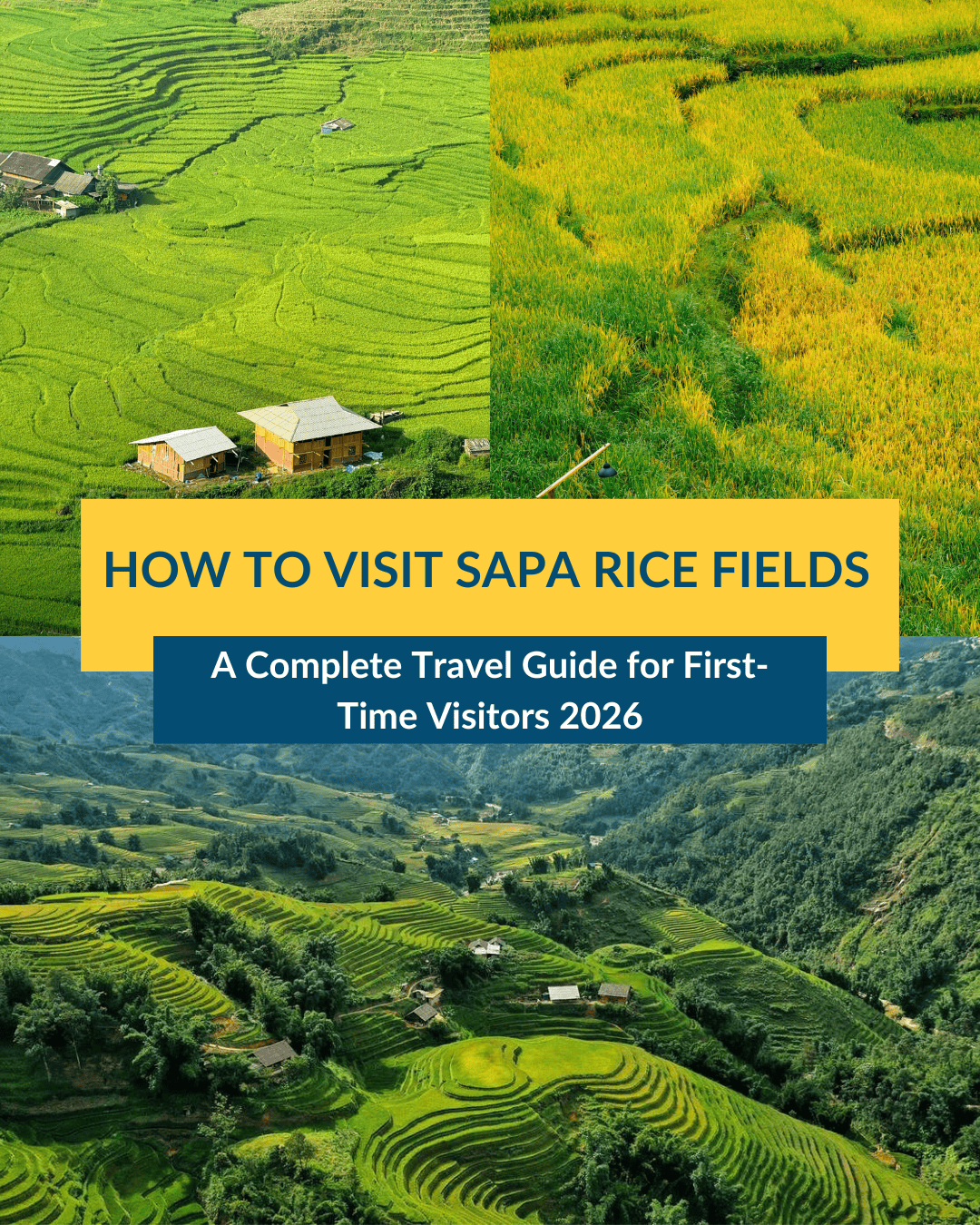
How to Visit Sapa Rice Fields: A Complete Travel Guide for First-Time Visitors 2026
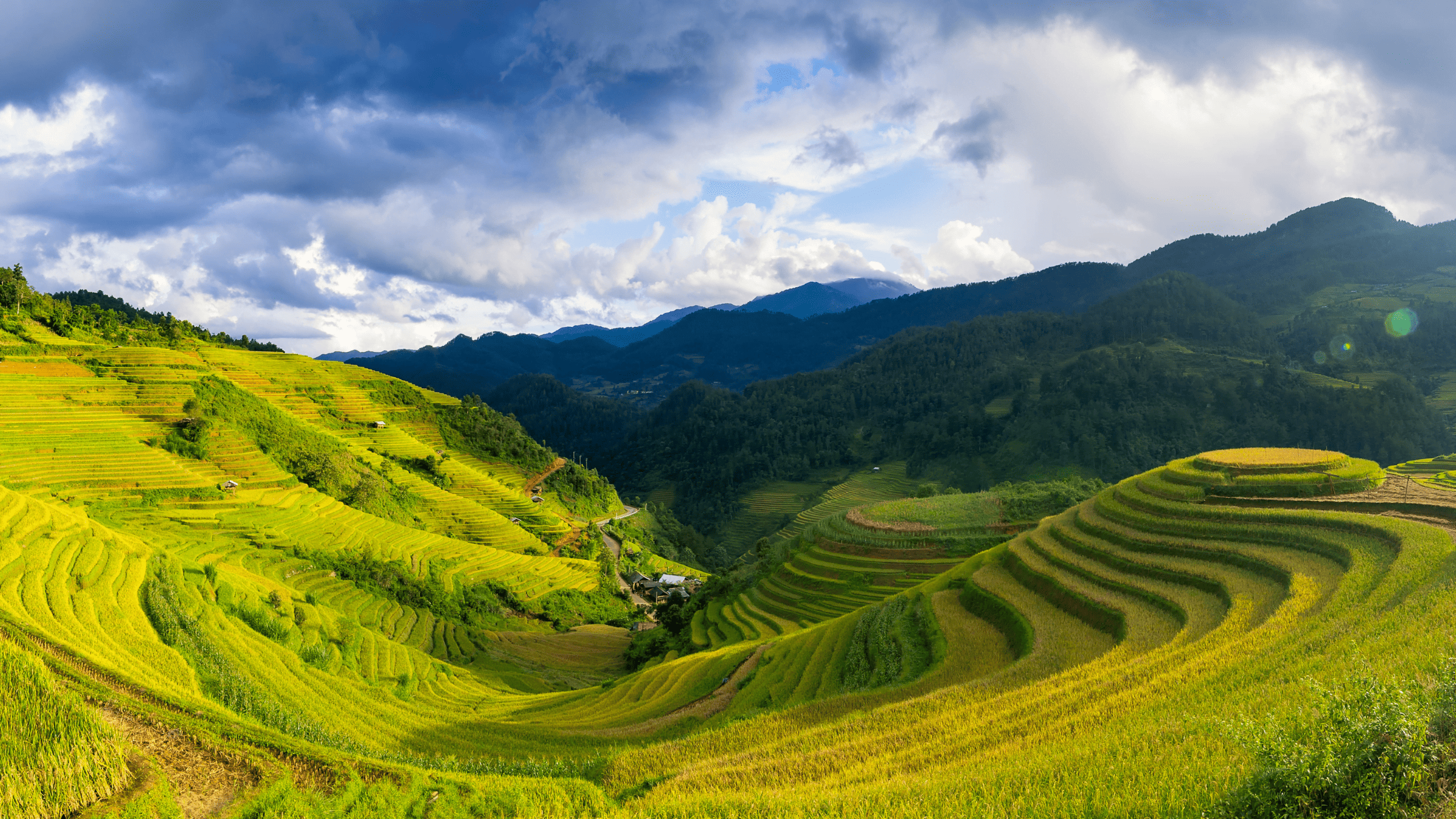
The Sapa rice fields are among Vietnam’s most breathtaking natural wonders, attracting travelers from around the world every rice harvest season to admire mountain landscapes and beautifully carved terraces.
In this complete travel guide, Prime Travel will uncover everything you need to know before you visit Sapa, including the best seasons to go, the most beautiful villages to explore, practical transportation tips, and the best ways to experience the rice terraces. If you’re planning your first trip to see the rice fields in Sapa, this guide will help you make the most of your adventure.
What makes the Sapa rice fields unique?
The Sapa rice fields are more than just beautiful landscapes; they are the perfect product made by both nature and generations of local communities. Carved into the steep mountainsides of Northern Vietnam, these terraced fields have been cultivated for hundreds of years by ethnic groups such as the Hmong, Dao, and Giay. Today, they are considered one of the country’s most iconic attractions and a highlight for anyone planning to visit Sapa.
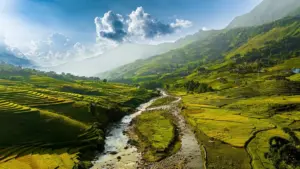
As the seasons change, the terraces transform completely, from shimmering mirrors during the watering season to vibrant green fields in summer and brilliant golden landscapes during harvest season. These sceneries are the reason travelers return throughout the year to experience a different side of the Sapa rice fields season.
Another reason the rice fields stand out is their stunning mountain setting. Towering peaks, mist-covered valleys, and traditional villages create a dramatic backdrop that feels almost untouched by time. Some of the most spectacular views can be found in Muong Hoa Valley, Lao Chai, Ta Van, and Y Linh Ho, where the rice terraces stretch endlessly across the hillsides.
Beyond their natural beauty, the Sapa rice fields offer visitors a chance to experience authentic local culture. Trekking through the terraces allows you to meet ethnic minority communities, stay in traditional homestays, and learn about farming practices that have been passed down for generations.
With the combination of spectacular scenery, rich cultural heritage, and seasonal transformation, Sapa deserves to be one of the most rewarding destinations in Vietnam for nature lovers.
The Sapa rice fields seasons: Best time to see rice fields in Sapa
One of the most common questions travelers ask before they visit Sapa is, “When is the best time to see the rice fields?” The answer depends on the type of scenery you hope to experience.
The scenery during the rice fields season changes dramatically depending on the growing cycle. There are three distinct seasons that offer completely different sceneries: the water-pouring season, the vibrant green rice fields season, and the golden rice harvest season.
The rice-growing cycle in Sapa typically begins around April and May, when local farmers flood the terraces in preparation for planting. During April and May, the water-filled fields reflect the sky and surrounding mountains, creating spectacular mirror-like landscapes. As the young rice plants grow, the terraces transform into lush green valleys throughout June and July, making summer one of the most popular times for trekking and photography.
The highlight of the year arrives between August and September, when the rice ripens, and the mountainsides turn brilliant shades of gold. This is widely considered the best time to see rice fields in Sapa, attracting photographers and travelers from around the world.
The harvest season offers perfect opportunities to witness local people working on the fields while enjoying some of the most breathtaking scenery in Northern Vietnam.
Here’s a quick overview of the Sapa rice fields season:
| Season | Months | What you’ll see | Best for |
| Watering Season | April – May | Water-filled terraces reflecting the sky | Landscape photography, peaceful scenery |
| Green Season | June – July | Lush green rice terraces | Trekking, nature lovers, vibrant mountain views |
| Golden Harvest Season | August – September | Golden rice fields ready for harvest | Photography, cultural experiences, iconic Sapa landscapes |
No matter when you choose to visit Sapa, you’ll discover stunning mountain scenery and authentic ethnic villages. However, if your dream is to see the iconic terraced rice fields at their absolute best, planning your trip around the growing seasons (August – September) will make your experience even more unforgettable.
Read more>>Where to See Rice Fields in Vietnam?
Best Places to See Sapa Rice Fields
Muong Hoa Valley
If you could only visit one place to experience the Sapa rice fields, make it Muong Hoa Valley. Located just a few kilometers southeast of Sapa Town, Muong Hoa Valley is considered one of the best and most accessible rice terraces in Sapa. The valley stretches through several villages, with terraced rice fields covering the hillsides as far as the eye can see. By July and August, they become lush green, while September transforms the valley into a sea of golden rice ready for harvest.
One of the best ways to explore the valley is on foot. Trekking routes range from easy walks to full-day hikes, taking you through rice terraces, bamboo forests, suspension bridges, and peaceful villages. Along the way, you’ll meet members of the Hmong and Giay ethnic communities, who have cultivated these mountains for generations. Staying overnight at a local homestay is also a fantastic way to experience daily life while waking up to panoramic views of the rice fields.
For first-time visitors, Muong Hoa Valley perfectly captures everything that makes the Sapa rice fields so unforgettable. Whether you’re hiking, photographing the landscapes, or simply enjoying the peaceful mountain scenery, it’s a destination that belongs on every Northern Vietnam itinerary. If you’re searching for the best time to see rice fields in Sapa, this valley showcases the beauty of every season.
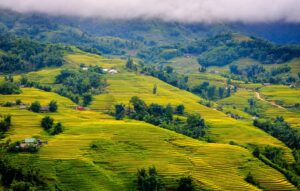
Lao Chai Village
Located about 7 kilometers from Sapa Town, Lao Chai Village is one of the nearest and most popular places to admire the Sapa rice fields. Home to the Black Hmong ethnic community, the village is surrounded by rolling mountains and endless terraced rice fields that change color with the seasons. Its peaceful atmosphere and stunning scenery make it a favorite stop for first-time visitors exploring the Muong Hoa Valley. Along the road to Lao Chai, you’ll be treated to panoramic views of layered rice terraces stretching across the hillsides.
During the Sapa rice fields season, the landscape transforms from shimmering water-filled terraces in early summer to vibrant green fields in July and August, before turning brilliant gold during the harvest months. It’s no surprise that many photographers consider Lao Chai one of the best places to see rice fields in Sapa.
Once you get to Lao Chai, it is best to explore on foot. The village is a key stop on many trekking routes, allowing visitors to walk through rice terraces, cross small streams, and experience daily life in the local community. For travelers looking to visit Sapa beyond the town center, Lao Chai offers the perfect balance of natural beauty and cultural immersion. The village provides an unforgettable glimpse into the heart of Northern Vietnam’s mountains.
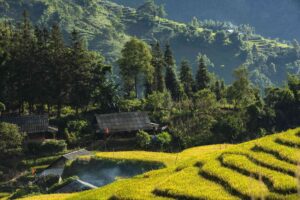
Ta Van Village
Just beyond Lao Chai lies Ta Van Village, one of the most picturesque destinations to experience the Sapa rice fields. Nestled in the heart of Muong Hoa Valley, this peaceful village is home to the Giay, Hmong, and Red Dao ethnic communities. With its traditional wooden houses, gentle streams, and terraced rice fields cascading down the mountainsides, Ta Van offers a quieter and more relaxed atmosphere than Sapa Town. Ta Van is especially beautiful during the Sapa rice fields season.
In the summer, the rice fields become a vibrant green, while the arrival of autumn transforms the valley into a sea of golden terraces. If you’re looking for the best time to see rice fields in Sapa, September is particularly rewarding, as you’ll witness breathtaking scenery and local farmers harvesting their crops.
One of the highlights of visiting Ta Van is staying in a traditional homestay. Many local families run accommodation businesses in the village, offering an authentic glimpse into daily life in the mountains. Waking up to panoramic views of the rice terraces, enjoying home-cooked meals, and learning about local customs make the experience far more memorable than simply passing through on a day trip.
You can check out our blog about the Sapa travel guide to get more general knowledge of Sapa.
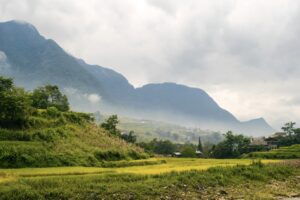
Y Linh Ho Village
If you’re a traveler who likes to seek a quieter and more authentic experience, Y Linh Ho Village is one of the hidden gems of the Sapa rice fields that you need to add to your itinerary. Tucked away in the Muong Hoa Valley, this small village is surrounded by dramatic mountain scenery, cascading rice terraces, and peaceful streams.
Compared to more popular villages like Lao Chai and Ta Van, Y Linh Ho receives fewer visitors, making it an excellent choice for those looking to escape the crowds. The village is home to the H’Mong and Dao communities, who have lived and farmed these mountains for generations.
To reach Y Linh Ho, travelers often have to take a short trek through the Lao Chai Village. The trails wind through bamboo forests, cross small suspension bridges, and pass traditional homes nestled among the terraces. Although some sections can be steep, the breathtaking scenery along the way makes the hike well worth the effort. It’s a fantastic destination for travelers who enjoy nature, photography, and outdoor adventure.
Once you get here, you can slow down, take in panoramic views of the rice terraces, and experience everyday life in a traditional mountain village. For many visitors, the untouched beauty and tranquil atmosphere make Y Linh Ho one of the most memorable stops in the Muong Hoa Valley.
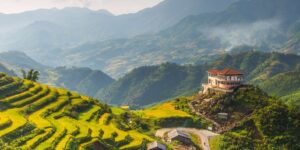
Ban Ho Village
If you’re looking to venture beyond the most visited trekking routes, Ban Ho Village is a wonderful place to experience the Sapa rice fields from a different perspective. Located about 30 km southwest of Sapa, Ban Ho sits in a peaceful valley surrounded by terraced rice fields, rivers, and forested mountains.
Unlike the steep terraces found in Muong Hoa Valley, the rice fields around Ban Ho are broader and more gently sloped, creating a unique landscape that changes beautifully throughout the Sapa rice fields season. During the summer months, the valley is covered in vibrant green rice, while the harvest season paints the fields in rich golden hues. Combined with the surrounding mountains and traditional wooden houses, the scenery is both relaxing and picturesque.
Visitors can enjoy easy walks through the rice fields, relax beside the Muong Hoa Stream, or take a refreshing swim in nearby natural pools and waterfalls. Staying overnight in a local homestay offers the chance to experience authentic village life, sample homemade regional dishes, and learn more about the customs and traditions of the Tay people.
While it requires a longer journey from Sapa Town, the peaceful atmosphere, beautiful rice terraces, and rich cultural experiences make it one of the most rewarding destinations in the region. It’s an excellent choice for travelers seeking both stunning landscapes and meaningful local connections.
Ta Phin Village
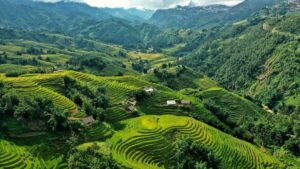
Located about 12 kilometers northeast of Sapa Town, Ta Phin Village is a peaceful destination where stunning mountain scenery meets rich cultural traditions. Ta Phin is also one of the best places to admire the Sapa rice fields. The village is surrounded by rolling terraces that blend beautifully with forested hills, limestone mountains, and quiet country roads.
The rice terraces in Ta Phin may be less famous than those in Muong Hoa Valley, but they are equally captivating during the Sapa rice fields season. By September, the hillsides transform into vibrant shades of gold as farmers begin the annual rice harvest. With fewer visitors than some of Sapa’s more popular villages, Ta Phin offers a peaceful setting for photography and leisurely walks. Travelers can take a hike from Sapa town to Ta Phin or rent a motorbike in Sapa and ride to Ta Phin at their own pace.
At Ta Phin Village, visitors can explore local handicraft workshops, learn about centuries-old customs, or enjoy a relaxing herbal bath prepared using medicinal plants collected from the surrounding mountains. These experiences offer a unique insight into local daily life and help you immerse yourself in the local culture.
If you’re planning to visit Sapa, Ta Phin Village is an excellent addition to your itinerary. It combines breathtaking views of the Sapa rice fields with authentic cultural encounters that you won’t find in many other destinations.
Sin Chai Village
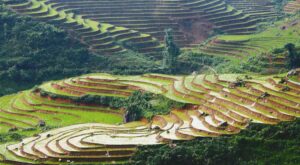
Nestled at the foot of the majestic Hoang Lien Son mountain range, Sin Chai Village is one of the most peaceful places to experience the Sapa rice fields. Located only a few kilometers from Sapa Town, this quiet village remains largely untouched by mass tourism.
The rice terraces surrounding Sin Chai are among the most picturesque in the region. During the Sapa rice fields season, the landscape transforms from shimmering water-filled terraces in late spring to vibrant green hillsides throughout summer. By September and early October, the fields become a patchwork of golden rice stretching across the valley.
Because the village receives fewer visitors than Muong Hoa Valley, you’ll often have these stunning views almost entirely to yourself, making it one of the hidden gems for anyone searching for the best time to see rice fields in Sapa.
Sin Chai is also an excellent destination for hiking and nature lovers. Gentle trekking routes lead through rice terraces, offering spectacular panoramic views of the surrounding mountains. Along the way, you’ll pass traditional wooden homes, grazing buffalo, and local farmers working in the fields.
Read more>>Vietnam Mountains Travel Guide for First-Timers: 10 Most Stunning Regions to Visit
Best Ways to Experience the Sapa Rice Fields
Trekking through the rice terraces
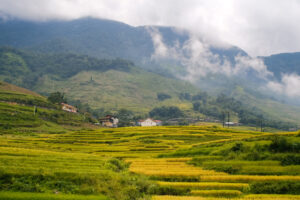
Without a doubt, trekking is the best way to experience the Sapa rice fields. Walking through the terraced valleys allows you to appreciate their scale, admire the changing landscapes up close, and discover places that vehicles simply can’t reach.
Whether you’re visiting during the lush green summer or the golden harvest season, trekking offers an unforgettable way to connect with both nature and local culture. Most trekking routes begin in Sapa Town and pass through famous villages such as Y Linh Ho, Lao Chai, Ta Van, Ban Ho, or Ta Phin.
Along the way, you’ll follow narrow mountain trails, cross bamboo bridges, walk beside streams, and pass endless rice terraces carved into the hillsides. Every turn reveals a new viewpoint, making trekking one of the most rewarding activities during the Sapa rice fields season. The slower pace also gives you plenty of opportunities to stop for photos and simply enjoy the scenery.
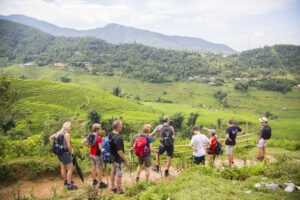
One of the highlights of trekking is that you can watch the daily life of the ethnic minority communities. You’ll see local farmers working in the fields and children playing along the village paths. Many trekking tours also include a homestay experience, allowing visitors to enjoy home-cooked meals and learn more about local customs. These authentic encounters make the journey about much more than beautiful landscapes.
If it’s your first time visiting Sapa, don’t worry. There are trekking routes for every fitness level. Short half-day walks are ideal for beginners, while full-day and multi-day hikes offer a more immersive adventure for experienced trekkers. Hiring a knowledgeable local guide is highly recommended, as they can explain the history of the Sapa rice fields, share insights into local culture, and help you explore safely, especially during the rainy season.
Read more>>The Ultimate Guide to Trekking in Vietnam for First-Timers: 10 Best Mountains to Conquer
Riding a motorbike through the valleys
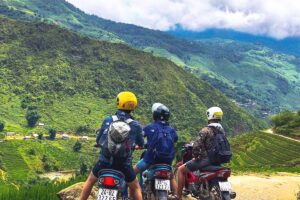
If you prefer enjoying spectacular scenery on the road and having the ability to stop whenever you want to, riding a motorbike is one of the best ways to explore the Sapa rice fields. The winding mountain roads connect Sapa Town with picturesque villages such as Lao Chai, Ta Van, Ta Phin, Ban Ho, and Sin Chai, offering breathtaking panoramic views at almost every turn.
It’s a fantastic option for travelers who want the freedom to stop whenever they discover a stunning viewpoint or hidden corner of the valley. Moreover, instead of following a fixed schedule, you can explore at your own pace, pause for photographs, visit local cafés overlooking the rice terraces, or spend extra time in villages that capture your interest.
For visitors who don’t have experience riding in Vietnam, joining a guided motorbike tour or hiring a local driver is highly recommended. Local guides know the safest routes, the best viewpoints, and hidden stops that many tourists miss. Riding with an experienced guide also allows you to relax and enjoy the incredible mountain scenery without worrying about navigating unfamiliar roads. This option is especially popular among first-time travelers planning to visit Sapa.
Although the roads around Sapa are generally in good condition, they can become slippery during the rainy season due to frequent showers and mountain fog. Always wear a helmet, drive cautiously on steep curves, and check the weather before setting out.
Staying at a homestay overlooking the fields
For many travelers, the most memorable way to experience the Sapa rice fields isn’t from a viewpoint or hiking trail; it’s by waking up to them. Staying at a local homestay overlooking the terraces allows you to fully immerse yourself in the peaceful rhythm of mountain life.
Instead of rushing through the villages on a day trip, you’ll have the chance to enjoy sunrise over the rice fields, listen to the sounds of nature, and appreciate the beauty of Sapa long after most day visitors have left.
Many of the best homestays are located in villages such as Ta Van, Lao Chai, Ban Ho, and Y Linh Ho. From your balcony or bedroom window, you’ll often enjoy uninterrupted views of the terraced hillsides, especially during the Sapa rice fields season. These mountain views are one of the reasons so many visitors choose to spend at least one night outside Sapa Town.
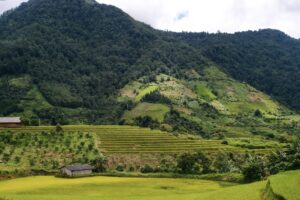
A homestay is also one of the best ways to connect with local culture. Many are run by Hmong, Dao, or Giay families who warmly welcome guests into their homes. You’ll have the opportunity to enjoy traditional home-cooked meals, learn about local customs, and listen to stories about local life in the mountains.
*Some hosts even offer guided trekking tours through the surrounding Sapa rice fields. You can contact your homestay host for further information
If you’re planning to visit Sapa, consider replacing a standard hotel stay with a countryside homestay for at least one night. The slower pace, authentic hospitality, and incredible scenery create an experience that’s difficult to find elsewhere.
How to Visit Sapa Rice Fields
How to get to Sapa from Hanoi
Sapa nowadays is quite accessible thanks to modern transportation connecting Hanoi and Sapa. The journey covers over 300 kilometers and typically takes between 6 and 8 hours, depending on your chosen mode of transport. Here are the three most popular ways to visit Sapa from Hanoi.
- Train
Taking the overnight train is a classic choice for travelers who want a unique travel experience. Trains depart from Hanoi Railway Station in the evening and arrive at Lao Cai Railway Station early the next morning. Since there is no railway to Sapa Town, you’ll need to take a shuttle bus or taxi for the final 35-kilometer (about one-hour) journey.
The train ride itself lasts around 8 hours and offers a range of cabin options, from standard sleeper berths to more comfortable tourist cabins. While it takes longer than traveling by road, it’s a relaxing option if you prefer to travel overnight and wake up ready to explore the Sapa rice fields.
- Sleeper Bus
The sleeper bus is the most popular and budget-friendly way to reach Sapa. Thanks to the Hanoi – Lao Cai Expressway, the trip now takes around 5.5 to 6.5 hours, with numerous departures available throughout the day and overnight.
Modern sleeper buses feature reclining beds, air conditioning, Wi-Fi, and onboard charging ports. Most services travel directly to Sapa Town, and some even offer direct transit to your hotel. If you’re looking for an affordable and convenient way to visit Sapa, the sleeper bus is an excellent choice.
- Limousine Van
For travelers seeking extra comfort, a limousine van is often the best option. These luxury minivans typically carry 9 to 11 passengers, providing spacious reclining seats, additional legroom, USB charging ports, and hotel pick-up and drop-off services in Hanoi’s Old Quarter.
The journey usually takes 5.5 to 6 hours, making it one of the fastest ways to reach Sapa. Limousine vans are ideal for couples, families, or groups who value convenience. Although slightly more expensive than sleeper buses, many travelers find the added comfort well worth it, especially before beginning a trekking adventure through the Sapa rice fields.
To get to know more about Vietnam transportation, you can check out our guide on transportation in Vietnam.

How to get around Sapa
Once you arrive in Sapa Town, getting around is fairly easy. The best transportation option depends on where you plan to go and how you want to experience the Sapa rice fields. While the town center is compact enough to explore on foot, reaching the surrounding valleys and ethnic villages requires additional transportation.
- Walking and Trekking
If your main goal is to experience the Sapa rice fields, walking is by far the most rewarding option. Many of the region’s most beautiful villages, including Lao Chai, Ta Van, and Y Linh Ho, are connected by scenic trekking trails rather than roads. Hiking allows you to get up close to the rice terraces, interact with local communities, and discover viewpoints that vehicles simply cannot access.
- Motorbike Rental
Renting a motorbike is one of the most popular ways to explore Sapa independently. Daily rental prices are affordable (around 120,000 to 200,000 VND), and having your own vehicle gives you the flexibility to visit villages such as Ta Phin, Ban Ho, and Sin Chai at your own pace. You’ll also have the freedom to stop whenever you spot a scenic viewpoint or café overlooking the rice terraces.
However, mountain roads can be steep, winding, and slippery, especially during the rainy season. If you have little experience riding a motorbike, it’s better to choose another transportation option.
- Taxi and Electric Car
Taxis are readily available in Sapa Town and are a convenient choice for families or travelers who prefer a comfortable journey. They are suitable for reaching nearby villages and attractions without the hassle of driving.
In the town center, electric cars are also available for short trips between hotels, restaurants, and popular attractions. While they don’t travel to remote villages, they provide an easy and environmentally friendly way to explore central Sapa.
- Guided Tours with Local Drivers
For first-time visitors, joining a guided tour is often the easiest way to explore the Sapa rice fields. Many tours include transportation, an experienced local guide, and visits to several villages in one day. This allows you to focus on enjoying the spectacular scenery while learning about local culture, farming traditions, and the history behind Sapa’s famous rice terraces. It’s an excellent option if you want a stress-free and well-organized experience.
Practical Tips for Visiting Sapa Rice Fields
What to wear and pack
Thanks to its mountainous location, Sapa has a cooler climate than most parts of Vietnam, and the weather can change quickly throughout the day. Whether you’re trekking through the valleys or riding a motorbike between villages, dressing comfortably and preparing for varying conditions will help you enjoy your trip to the fullest.
- Choose lightweight, breathable clothing that’s suitable for outdoor activities, but don’t forget to bring a light jacket or fleece because early mornings and evenings can feel surprisingly colder.
- If you’re planning to visit Sapa during the rainy season or the watering season, a waterproof jacket or compact rain poncho is highly recommended, as short showers are common.
- Comfortable footwear is essential, particularly if you plan to hike through the Sapa rice fields. A pair of sturdy hiking shoes or trainers with good grip will help you navigate uneven trails, muddy paths, and slippery steps.
- Pack sunscreen, sunglasses, and a hat to protect yourself from the sun, as UV levels can be strong even on cloudy days.
- Insect repellent is useful when trekking through forests and rice fields
- A reusable water bottle to help you stay hydrated throughout the day
Weather and trekking tips
The weather in Sapa can change quickly, even within a single day, so it’s important to check the forecast before heading out. Mornings may begin with cool temperatures and clear skies, while afternoons often bring clouds, fog, or brief showers, especially during the rainy months.
- If you’re planning to explore the Sapa rice fields, starting your trek early in the morning usually gives you the best weather, clearer mountain views, and more comfortable hiking conditions.
- The best time to see rice fields in Sapa also affects trekking conditions. During the watering season (May–June), some trails can be muddy and slippery because the terraces are flooded for planting.
- July and August offer lush green scenery, but occasional rain showers are common. In August and September, the weather is generally drier, making the harvest season one of the most enjoyable times to hike through the Sapa rice fields.
- Choose a trekking route that matches your fitness level and experience. Beginners may prefer shorter walks between villages such as Lao Chai and Ta Van, while experienced hikers can tackle longer routes to Ban Ho or Sin Chai.
- Take your time on steep descents, use trekking poles if needed, and carry enough drinking water and light snacks, especially on full-day hikes. Don’t underestimate the mountain terrain, even if the distance looks short on a map.
- Finally, always prioritize safety. Weather conditions can change rapidly in the mountains, reducing visibility with thick fog or making trails slippery after rain. If heavy rain is forecast, consider postponing your hike or joining a guided trek with a local expert who knows the safest routes.
Read more>>What is Vietnam Like in Summer? A First-Timer’s Guide to Visiting Vietnam in Summer
Responsible travel etiquette in ethnic villages
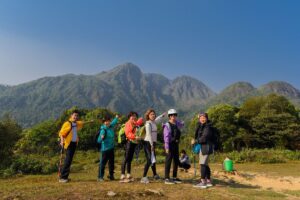
Exploring the Sapa rice fields also means visiting the traditional villages of ethnic communities such as the Hmong, Dao, Giay, and Tay. These villages are not tourist attractions alone; they are people’s homes, where families live, work, and preserve traditions that have been passed down for generations. Showing respect for local customs helps create a positive experience for both visitors and residents while supporting sustainable tourism in Sapa.
One of the simplest ways to be a respectful traveler is to ask for permission before taking photos of local people, especially children or elderly residents. While many villagers are happy to interact with visitors, it’s always polite to ask first and accept their response if they decline. Supporting the local economy is another meaningful way to travel responsibly. Consider staying in family-run homestays, hiring local trekking guides, or purchasing handmade crafts directly from village artisans.
These choices help ensure that tourism benefits the communities and maintains the beautiful landscapes that attract visitors from around the world. If you decide to buy souvenirs, do so respectfully and avoid aggressive bargaining over handmade products that require significant time and skill to create.
Last but not least, let’s help preserve the natural beauty of the Sapa rice fields by leaving only footprints. Carry your rubbish with you, avoid picking plants or flowers, and keep noise levels low while hiking through the villages.
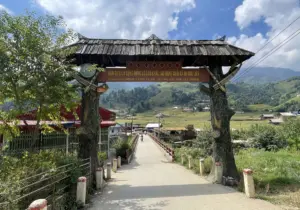
Safety tips for hiking during the rainy season
The rainy season can be a beautiful time to explore the Sapa rice fields, as the terraces are at their greenest and waterfalls flow at full strength. However, frequent showers can make hiking more challenging. Trails may become muddy, rocks can be slippery, and thick mountain fog sometimes reduces visibility. Taking a few extra precautions will help you enjoy the scenery while staying safe throughout your adventure.
Before setting out, always check the weather forecast and avoid hiking during periods of heavy rain or thunderstorms. If conditions change suddenly, don’t hesitate to shorten your route or return to the village. Mountain weather can shift quickly, and even light rain may make steep trails difficult to navigate. Starting your trek early in the morning is often the best option, as the weather is generally more stable and temperatures are cooler.
Wearing the right gear is essential. Choose waterproof hiking shoes with good traction to reduce the risk of slipping on wet paths. A lightweight rain jacket or poncho will keep you dry without restricting movement, while a waterproof backpack cover can protect your phone, camera, and other valuables. Trekking poles are also helpful, providing extra balance on muddy descents and uneven terrain through the Sapa rice fields.
By staying prepared, choosing appropriate routes, and improvising based on weather conditions, you can safely experience the beauty of the Sapa rice fields even during the wetter months.
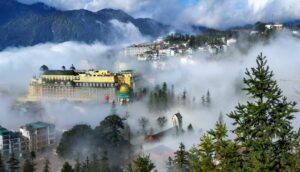
Frequently Asked Questions
- Is Sapa worth visiting if it’s not harvest season?
Absolutely. While the golden harvest season is the most famous, the Sapa rice fields are beautiful throughout the year. The watering season (May–June) creates stunning mirror-like reflections, while July and August offer vibrant green landscapes. Even outside the rice-growing season, Sapa’s cool climate, mountain scenery, waterfalls, and ethnic villages make it a worthwhile destination.
- What is the best month to visit Sapa rice fields?
For most travelers, September is the best month to see the Sapa rice fields. This is the ripe rice season, turning the mountainsides into spectacular shades of gold before harvest. If you prefer lush green scenery, visit in July or August. For photographers seeking unique natural scenes, May and June during the watering season are equally rewarding.
- How difficult is trekking in Sapa?
Sapa offers trekking routes for all fitness levels. Beginners can choose short, easy walks through villages, while experienced hikers can take on longer trails to remoter villages or several of them. Some paths include steep sections, uneven terrain, and muddy trails during the rainy season, so comfortable hiking shoes and a reasonable level of fitness are recommended.
- Can beginners visit the rice terraces?
Yes. You don’t need to be an experienced hiker to enjoy the Sapa rice fields. Many villages are accessible by car or motorbike, and there are plenty of beginner-friendly trekking routes with gentle slopes. Joining a guided tour is an excellent option for first-time visitors, as local guides can recommend suitable trails and share fascinating insights into the region’s culture and history.
- How many days should I spend in Sapa?
To fully experience the Sapa rice fields, plan to spend at least two to three days in Sapa. This gives you enough time to visit several villages, complete a scenic trek, and enjoy a homestay or local cultural experience.
Highly recommend Vietnam tours
- 14-Day Cultural and Culinary Journey Through Vietnam

- 14-Day Vietnam Soft Adventure

- 10-Day Mekong Delta Cultural Experience from Vietnam to Cambodia

>>Explore more>>
Group Tour vs Private Tour in Vietnam: Which One Is Right for You?
10 Must-Try Adventure Activities in Vietnam for Thrill Seekers
Vietnam Travel Costs: Cost Guide & How to Save Money When Traveling to Vietnam 2026


