


Vietnam Travel Costs: Cost Guide & How to Save Money When Traveling to Vietnam 2026
Planning a trip and wondering about Vietnam travel costs? You are not alone. Vietnam is often known as one of the most affordable destinations in Southeast Asia, but the actual cost can vary depending on your travel style, itinerary, and preferences.
In this complete guide, Prime Travel will break down the Vietnam trip cost in detail, including accommodation, food, transportation, and activities. This blog will help you understand the true cost in Vietnam and show you how to make the most of your money. You will also get to know how much you can expect to spend per day to plan ahead.
Is Vietnam Expensive for Travelers?
Vietnam is widely considered one of the most affordable destinations in Southeast Asia, making it a great choice for travelers with different budgets. In general, Vietnam travel costs are lower than in many neighboring countries, especially when it comes to food, transportation, and accommodation.
Street food meals can cost as little as a few dollars, while local transportation such as buses or ride-hailing apps remains very affordable. Even in popular destinations like Ha Long Bay or Hanoi, travelers can still find a wide range of options at reasonable prices.
Compared to other Southeast Asian countries like Thailand or Singapore, the Vietnam trip cost is generally lower, especially for accommodation and local food. While flights and some premium experiences may be similar in price, everyday spending in Vietnam is noticeably cheaper. This makes Vietnam an excellent destination for those looking to travel longer while keeping costs under control.
Vietnam Visa Fees and Entry Procedures
Visa Application Fees
The Vietnam visa fees vary depending on your type of visa and length of stay. In recent years, the most common option for tourists is the e-visa, which is simple, affordable, and easy to apply for online.
Currently, the standard Vietnam e-visa fee is around $25 USD for a single-entry visa, typically valid for up to 90 days. For travelers who need multiple entries, the fee is usually around $50 USD.
For those applying through embassies or choosing visa-on-arrival (available in specific cases), additional service fees may apply. Visa-on-arrival often includes a stamping fee at the airport, which can range from $25 to $50 USD, depending on the type of visa. Travelers may also need to pay service fees to visa agencies if they use one.
*It is always recommended to apply through official channels or trusted providers to avoid scams or unnecessary charges. You can apply for a Vietnam e-visa here.
Entry Procedures
The entry procedures in Vietnam are generally straightforward, especially if you prepare all required documents in advance. For most travelers, the process begins at the airport upon arrival. You will need to present a valid passport (with at least 6 months’ validity), your approved visa (such as an e-visa), and your return or onward ticket if requested.
Immigration officers may also ask for details about your accommodation or travel plans, so it is helpful to have this information ready. If you are using a Vietnam e-visa, you can proceed directly to the immigration checkpoint without additional steps.
Read more>>Do I Need a Visa for Vietnam? A Complete Guide for Travelers

However, travelers using a visa-on-arrival must first go to the landing visa counter to submit documents, pay the stamping fee, and receive their visa before proceeding through immigration. This process may take extra time, especially during peak travel periods.
After clearing immigration, you will collect your luggage and pass through customs. In most cases, the process is quick, but travelers should be aware of regulations regarding restricted items and cash limits. Following these procedures carefully ensures a smooth arrival experience and helps you start your journey without unnecessary stress.
*Therefore, we recommend applying for a Vietnam e-visa for a smoother experience when arriving in Vietnam.
Vietnam Travel Cost Per Day
One of the most common questions travelers ask is how much they should budget per day. The good news is that Vietnam travel costs are flexible, allowing you to travel comfortably whether you are on a tight budget or looking for a more luxurious experience. Your daily spending will mainly depend on your travel style, preferred accommodation, and activities:
- For budget travelers, the average daily cost is around $40–$60 USD per person. This typically includes staying in hostels or budget hotels, eating local street food, and using public transportation or ride-hailing apps.
- For mid-range travelers, expect to spend around $100–$150 USD per day. This budget allows for comfortable hotels, a mix of local and restaurant dining, and occasional guided tours or activities.
- For those seeking a more premium experience, luxury travelers can expect to spend from $200 USD or more per day. This includes staying in high-end hotels or resorts, dining at upscale restaurants, and booking private tours or unique experiences such as cruises in Ha Long Bay.
Many travelers opt for the mid-range option, as it balances comfort and affordability while still keeping the Vietnam trip cost reasonable.
Read more>>What Not To Do In Vietnam For Tourists in 2025 – New Vietnam Laws

Cost of Traveling to Vietnam: Full Breakdown
Accommodation Costs
Vietnam offers a wide range of options to suit every budget. Whether you are a backpacker or a luxury traveler, it is easy to find comfortable places to stay across the country, from cities like Hanoi to beach destinations like Phu Quoc Island.
Budget accommodation
If you just want a place with a bed to stay overnight, hostels and budget hotels typically cost between $5–$15 USD per night. Dorm beds are the most common and cheapest option for backpackers. If you want more privacy, simple homestays and guesthouses are still very affordable, at around $10-$15 USD per night.
Mid-range accommodation
For mid-range travelers, prices usually range from $25–$60 USD per night. This budget allows you to stay in comfortable 3-star hotels or boutique accommodations with better facilities, such as breakfast, swimming pools, and central locations. Many travelers prefer this range as it offers great value compared to what you pay.
Luxury accommodation
Luxury hotels and resorts can cost from $80 USD to $500+ per night, depending on the location and level of service. High-end accommodations in destinations like Sapa or Da Nang often include stunning views, spa services, and world-class facilities. Compared to other countries, luxury stays in Vietnam are still relatively affordable.
Read more>>10 Best Phu Quoc Luxury Resorts & Hotels 2025

Food & Drink Costs
Food is one of the highlights of traveling in Vietnam—and also one of the most affordable parts of your Vietnam travel costs. In Vietnam, you can find delicious food anywhere, whether you are eating on the street or dining in a restaurant.
For street food, prices are incredibly low, usually ranging from $1–$5 USD per meal. Popular dishes like pho, banh mi, or rice meals are widely available in cities such as Hanoi and Ho Chi Minh City. Street food is not only cheap but also authentic, offering a true taste of local culture while helping you keep your Vietnam travel budget under control.
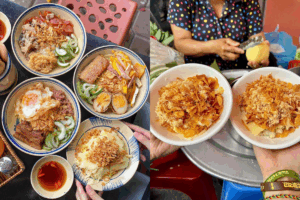
If you prefer restaurant dining, prices are still reasonable. A meal at a local restaurant typically costs between $5–$10 USD per person, while mid-range or Western-style restaurants may range from $10–$20 USD. In tourist areas or popular destinations like Hoi An, prices can be slightly higher, but still affordable compared to many other countries.
When it comes to coffee and drinks, Vietnam is famous for its vibrant café culture. A cup of traditional Vietnamese coffee usually costs around $1–$3 USD, while drinks at trendy cafés may range from $3–$6 USD. Fresh juices, smoothies, and local beers are also very affordable; you can easily find these drinks anywhere.

Transportation Costs
Transportation is another key factor in your overall Vietnam travel costs. In Vietnam, there are plenty of options to suit different budgets and travel styles:
- For long distances, domestic flights are often the most convenient choice. Prices typically range from $30–$100 USD per one-way ticket, depending on the route and booking time. Popular routes such as Hanoi to Ho Chi Minh City are frequent and competitively priced, especially if you book in advance.
- For a more budget-friendly and scenic option, trains and buses are widely available across Vietnam. Train tickets usually cost between $20–$60 USD, depending on the distance and seat type, while sleeper buses can range from $10–$30 USD.
- For getting around cities, taxis and ride-hailing apps are both convenient and affordable. Apps like Grab (like Uber in other countries) are widely used in major cities and offer transparent pricing.
Read more>>How to Travel in Vietnam: An Easy Guide to Transportation for Travelers 2025

Activities & Tour Costs
In Vietnam, you might never get bored. There is an abundance of activities and experiences that vary widely depending on your interests. Knowing the price range for these activities and experiences is incredibly important, so you can set aside a budget for tours, entrance fees, and unique experiences.
For entrance fees, most attractions are very affordable. Here are the entrance fees for some famous attractions in Vietnam (as of March 2026):
Sapa
Muong Hoa Valley: 150,000 VND ($6 USD)
Cat Cat Village: 150,000 VND ($6 USD)
Rong May Glass Bridge: 500,000 VND ($19 USD)
Silver Waterfall: 20,000 VND ($0.76 USD)
Hanoi
Ho Chi Minh Mausoleum: 25,000 VND ($1 USD)
Temple of Literature: 70,000 VND ($2.66 USD)
Ngoc Son Temple: 30,000 VND ($1.15 USD)
Vietnam Museum of Ethnology: 40,000 VND ($1.52 USD)
Hoan Kiem Lake: Free
Ninh Binh
Trang An Boat Tour: from 300,000 VND ($11.39 USD)
Mua Cave (Hang Mua): 150,000 VND ($5.69 USD)
Tam Coc Boat Tour: 250,000 VND ($9.49 USD)
Da Nang
Ba Na Hills (Golden Bridge): 1,250,000 VND ($48 USD)
Marble Mountains: 40,000 VND ($1.52 USD)
Cham Museum: 60,000 VND ($2.28 USD)
Dragon Bridge / My Khe Beach: Free
Hoi An
Old Town Ticket: 120,000 VND (~$5 USD)
My Son Sanctuary: 150,000 VND ($5.7 USD)
Coconut Forest: 30,000 VND ($1.14 USD)
Ho Chi Minh City
War Remnants Museum: 40,000 VND ($1.52 USD)
Independence Palace: 80,000 VND ($3.04 USD)
Cu Chi Tunnels: from 90,000 VND (excluding transport)

For guided tours, prices depend on the type and duration of the experience. A day tour typically costs around $30–$80 USD per person, while more premium or multi-day tours can range from $100–$300+ USD. Popular experiences such as cruising in Ha Long Bay or trekking in Sapa may cost more, especially if they include accommodation, meals, and transportation.
When it comes to entertainment and experiences, Vietnam offers plenty of affordable options. Spa treatments, cultural shows, cooking classes, and nightlife activities usually range from $10–$50 USD, depending on the experience. In cities like Ho Chi Minh City or Da Nang, you can easily find activities that fit different budgets.
Read more>>How to Travel in Vietnam: An Easy Guide to Transportation for Travelers 2025
How to Save Money When Traveling to Vietnam
Although Vietnam travel costs are already affordable, there are many ways to save even more without sacrificing your experience. With a few smart choices, you can save some money (maybe even enough for a good souvenir to bring home).
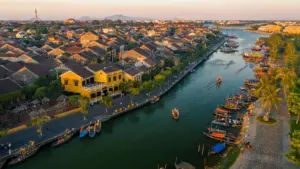
One of the easiest ways to save money is to travel during the low or shoulder season. Prices for flights, hotels, and tours are often lower, especially outside peak periods like holidays or summer months. Destinations such as Ha Long Bay or Hoi An are usually less crowded during these times, allowing you to enjoy a more relaxed experience at a lower cost.
Another effective tip is to eat local food and use local transportation. Street food is not only delicious but also extremely affordable, helping you both enjoy the authentic flavor of Vietnamese dishes and save up some money. Similarly, using buses or ride-hailing apps like Grab instead of private transport can significantly reduce your expenses.
It is also important to book tours smartly. Instead of choosing the cheapest option, look for reputable operators that offer good value and transparent pricing. Booking in advance or as part of a package can sometimes help you save money, especially for popular experiences like cruises or trekking tours.
Finally, be aware of common tourist traps. Always check prices before purchasing, avoid unofficial vendors, and be cautious with overly cheap offers that seem too good to be true. We have a whole blog to explain and prepare you for travel scams in Vietnam; you can check it out here.
FAQs About Vietnam Travel Costs
How much for a 7-day trip in Vietnam?
The cost of a 7-day trip depends on your travel style, but overall, Vietnam travel costs remain very reasonable. For a budget traveler, a one-week trip may cost around $200–$300 USD. A mid-range traveler can expect to spend approximately $400–$800 USD. For a luxury experience, the Vietnam trip cost can range from $1,000 USD or more.
At Prime Travel, we know how to maximize your experience in Vietnam based on your budget. We offer flexible travel options, including group tours for budget travelers who want great value while exploring top destinations, as well as private, customized tours for those seeking comfort, privacy, and a more personalized journey.
Whether you want a well-planned itinerary or a tailor-made experience, our team ensures you get the best value while keeping your Vietnam travel budget under control. You can contact Prime Travel here; our travel consultants will support you right away.
How much cash should I bring?
It is recommended to bring a mix of cash and cards, with around $100–$300 USD in cash (or equivalent in Vietnamese Dong) for short stays. You can easily withdraw money from ATMs in cities like Hanoi or Ho Chi Minh City, but it is always useful to have small bills for daily expenses.
Can I use credit cards in Vietnam?
Yes, credit cards are widely accepted in Vietnam, especially in hotels, restaurants, and larger shops in major cities and tourist areas. However, smaller businesses, local eateries, and rural destinations often only accept cash. In some cases, a small surcharge (around 2–3%) may apply when paying by card. Carry both cash and credit cards so you can enjoy the trip to the fullest.
Highly recommend Vietnam tours
- 14-Day Cultural and Culinary Journey Through Vietnam

- 14-Day Vietnam Soft Adventure

- 10-Day Mekong Delta Cultural Experience from Vietnam to Cambodia

>>Explore more>>
The Ultimate Guide to Trekking in Vietnam for First-Timers: 10 Best Mountains to Conquer
10 Best Photography Spots in Vietnam: Rules and Tips for Photographers Traveling to Vietnam


