
10 Best Things to Do in Hanoi You Should Not Miss
Hanoi offers a unique blend of history, culture, and modern life, making it one of the country’s most rewarding destinations for first-time visitors when coming to Vietnam. With so many attractions spread across the city, planning your itinerary can feel overwhelming.
Many visitors wonder what to do in Hanoi, how many days to stay, and which experiences are truly worth their time. In this guide, Prime Travel will cover the 10 best things to do in Hanoi, from iconic landmarks and cultural experiences to must-try local food and bustling markets. This list of the top places to visit in Hanoi will guarantee a local and unique experience approved by local experts.
What to Know Before Exploring Hanoi
Before diving into the best things to do in Hanoi, it’s helpful to understand a few basic knowledge that can make your trip smoother. We will help you choose the right season to visit, get to know how many days to stay and how to get around the city. These tips will help you carefully plan ahead so you can enjoy your time in Hanoi.
Best time to visit Hanoi
Hanoi can be visited year-round, but autumn (September to November) is widely considered the best season. The weather is cool, dry, and comfortable, making it perfect for walking around the Old Quarter, visiting historical landmarks, and enjoying lakeside cafés. Spring (March to April) is another excellent time, with pleasant temperatures and blooming flowers throughout the city.
Summer (May to August) is hot and humid, with occasional heavy showers, while winter (December to February) is cool and sometimes chilly, especially in the early mornings and evenings. Although each season offers a different experience, autumn and spring provide the ideal conditions for exploring the top places to visit in Hanoi on foot.
How to get around the city
Most of Hanoi’s major attractions are located close to one another, making the city quite easy to explore. The Old Quarter, Hoan Kiem Lake, Temple of Literature, and many museums are within walking distance so it’s quite easy to walk around if you enjoy sightseeing at a relaxed pace.
For longer distances, ride-hailing apps such as Grab, Xanh SM, and Be are affordable, reliable, and widely used. Traditional taxis are also available, but it’s best to choose reputable companies or book through an app. If you can drive and you are familiar with the chaotic transportation system here, renting a motorbike is also an option.
How many days should you spend in Hanoi?
For most first-time travelers, 2 to 3 days is the perfect amount of time to experience the city’s highlights. Two days allow you to visit the major historical sites, sample Hanoi’s famous street food, and explore the Old Quarter at a comfortable pace.
If you have 3 to 4 days, you’ll have more time to discover hidden cafés, local markets, museums, and cultural performances or take a day trip to nearby destinations such as Ninh Binh, Bat Trang Pottery Village, or Halong Bay. No matter how long you stay, planning your itinerary in advance ensures you won’t miss the very best what to do in Hanoi during your visit.
If you’re looking for places to visit near Hanoi, you should check out our blog on 7 Best Day Trips from Hanoi for First-Timers. These are 7 destinations that are (of course) near Hanoi and carefully chosen for first-time travelers.
10 Best Things to Do in Hanoi You Should Not Miss
Explore Hanoi Old Quarter
Walking around Hanoi Old Quarter is by far one of the best things to do in Hanoi for travelers in my opinion. Often referred to as the heart and soul of the capital, this historic neighborhood dates back more than 1,000 years and is famous for its narrow streets, colonial architecture, bustling markets, and vibrant street life. It’s the perfect place to experience Hanoi’s unique blend of tradition and modern energy.
The Old Quarter is also known as the “36 Streets,” with some streets historically specializing in particular trades. Today, you’ll still find streets dedicated to silk, traditional medicine, bamboo products, silver jewelry, and handcrafted souvenirs. Simply wandering through the area is an adventure in itself, as every corner reveals hidden temples, colorful shopfronts, local cafés, and street food vendors serving some of Hanoi’s most iconic dishes.
One of the best ways to experience the Old Quarter is to slow down and explore on foot. Start near Hoan Kiem Lake, then make your way through famous streets like Hang Gai (Silk Street), Ta Hien Street (known for its lively nightlife), and Hang Ma Street. Along the way, stop for a cup of Hanoi’s famous egg coffee, browse local boutiques, or watch everyday life unfold from a sidewalk café.
The Old Quarter is also one of the best places to visit in Hanoi for food lovers. Here, you’ll find countless family-run restaurants serving authentic pho, bun cha, banh mi, sticky rice, fresh spring rolls, and traditional Vietnamese desserts. If you’re wondering what to do in Hanoi during your first visit, joining a street food tour in the Old Quarter is an excellent way to discover both the city’s flavors and its fascinating history.
Visit Hoan Kiem Lake & Ngoc Son Temple
Located in the center of the city, Hoan Kiem Lake is one of the most iconic places to visit in Hanoi. Surrounded by tree-lined walking paths, historic buildings, and lively cafés, the lake serves as both a cultural landmark and a favorite gathering place for locals. Starting your day with a peaceful stroll or enjoying the vibrant atmosphere in the evening, you can observe the local everyday life in Vietnam’s capital.
Travelers can also cross the bright red The Huc Bridge, leading visitors to Ngoc Son Temple, a peaceful temple situated on Jade Island. Originally built in the 19th century, the temple is dedicated to General Tran Hung Dao. Inside, visitors can admire traditional Vietnamese architecture, ancient altars, and a preserved giant turtle specimen that reflects the lake’s legendary history.

One of the best things about Hoan Kiem Lake is its atmosphere throughout the day. Early in the morning, you’ll see locals practicing aerobics, jogging, and exercising around the lake. During the afternoon, the surrounding cafés become perfect places to relax with a cup of Vietnamese coffee while watching the city pass by. In the evening, the lake lights up beautifully, creating a romantic setting for a leisurely walk.
If you’re visiting on a weekend, don’t miss the Hoan Kiem Walking Street. From Friday evening through Sunday, roads around the lake are closed to traffic and transformed into a lively pedestrian zone filled with street performances, traditional games, live music, and local food vendors. It’s one of the best opportunities to experience Hanoi’s vibrant community spirit.
Watch the Train Street Pass By
One of the most unforgettable things to do in Hanoi is visiting the famous Train Street. This narrow railway runs directly through a residential neighborhood, with homes and cafés sitting just inches from the tracks. When the train approaches, tables and chairs are quickly moved aside, creating a thrilling experience that has made Train Street one of Hanoi’s most photographed attractions.
Although the street has become a social media sensation, Train Street is much more than an Instagram spot. It offers a fascinating glimpse into local life, where residents have lived alongside the railway for decades. Before the train arrives, the atmosphere is calm as visitors sip Vietnamese coffee, chat with café owners, and watch everyday activities unfold.
Several cafés along the railway provide excellent viewing spots, and many staff members keep visitors informed about the train schedule. Once the train has passed, the street quickly returns to normal, with cafés reopening their outdoor seating almost immediately. It’s a unique experience that perfectly captures Hanoi’s lively and unexpected character.
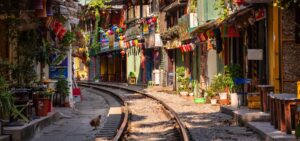
Because Train Street is an active railway, safety should always come first. Access to certain sections is sometimes restricted, and visitors are encouraged to enter through cafés or businesses that are authorized to receive guests. Always follow the instructions of café staff and railway personnel, remain behind designated safe areas, and never stand or take photos on the tracks when a train is approaching.
The best time to visit is in the late afternoon or evening when many cafés are open and the street has a lively atmosphere. Since train schedules can occasionally change, it’s a good idea to check with your café or local guide before planning your visit. You can check out our guide to Hanoi Train Street Time Table so you can plan beforehand
Discover the Temple of Literature
Among the most significant places to visit in Hanoi, the Temple of Literature (Van Mieu – Quoc Tu Giam) is a must-see for anyone interested in Vietnamese history and culture. Built in 1070 during the Ly Dynasty, it was originally dedicated to Confucius before becoming Vietnam’s first national university. For nearly 700 years, it educated generations of scholars and mandarins, making it one of the country’s most important historical landmarks.
As you walk through the temple complex, you’ll pass a series of peaceful courtyards, traditional pavilions, ancient gates, and beautifully landscaped gardens. One of the highlights is the Doctor’s Stelae, a collection of 82 stone tablets mounted on turtle statues. These UNESCO-recognized monuments honor scholars who successfully passed the royal examinations between the 15th and 18th centuries and symbolize Vietnam’s long-standing respect for education and learning.

The architecture itself is another reason to visit. The temple combines elegant wooden buildings, curved tiled roofs, lotus ponds, and centuries-old trees, creating a calm atmosphere that feels worlds away from Hanoi’s busy streets. The Khue Van Cac Pavilion, with its distinctive red wooden structure and circular windows, is one of the temple’s most recognizable symbols and a favorite spot for photography.
For first-time visitors wondering what to do in Hanoi, the Temple of Literature offers more than just beautiful architecture. It tells the story of Vietnam’s educational heritage, showcases traditional Vietnamese design, and provides a peaceful escape from the city’s fast pace. If you love to get to know more about history, this place deserves a place on your Hanoi itinerary.
Watch a Traditional Water Puppet Show
If you’re looking for a cultural experience that’s uniquely Vietnamese, watching a traditional water puppet show should be on your list of things to do in Hanoi. Originating more than 1,000 years ago in the flooded rice fields of northern Vietnam, this traditional art form combines puppetry, live music, storytelling, and folklore in a performance unlike anywhere else in the world.
During the show, skilled puppeteers stand behind a bamboo screen, controlling handcrafted wooden puppets that appear to dance across the surface of a pool of water. The performances tell stories inspired by Vietnamese village life, ancient legends, historical events, and traditional festivals.

A live orchestra accompanies every performance using traditional Vietnamese instruments such as drums, bamboo flutes, cymbals, and string instruments. Singers narrate the stories in Vietnamese, but the visual nature of the show makes it easy for international visitors to follow and enjoy, even without understanding the language. It’s a fascinating introduction to Vietnam’s cultural heritage that you should experience during your time in Hanoi.
The most famous venue is the Thang Long Water Puppet Theatre, conveniently located just a short walk from Hoan Kiem Lake. Shows usually last around 45 to 60 minutes, with several performances scheduled throughout the day, especially during the peak tourist season.
To get the best seats, it’s recommended to book your tickets in advance, particularly if you’re visiting during weekends or holidays. Arriving 20 to 30 minutes early also gives you enough time to find your seat and enjoy the lively atmosphere before the performance begins.
Visit Ho Chi Minh Mausoleum & Presidential Complex
A visit to the Ho Chi Minh Mausoleum & Presidential Complex is one of the most meaningful things to do in Hanoi, especially for travelers interested in Vietnam’s history. Located in the historic Ba Dinh Square, this landmark honors President Ho Chi Minh, the founding father of modern Vietnam.
Today, Ho Chi Minh Mausoleum is not only a cultural and historical symbol of Hanoi but also attracts a lot of tourists to visit. The atmosphere here is solemn and respectful. Visitors are welcome to enter the mausoleum, but strict rules apply. Dress modestly, maintain silence, and photography is not permitted inside.
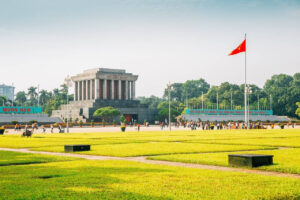
Beyond the mausoleum, the Presidential Complex includes several attractions that are equally worth exploring. Ho Chi Minh’s Stilt House offers a glimpse into his simple lifestyle, while the nearby Presidential Palace showcases elegant French colonial architecture from the early 20th century. The peaceful gardens surrounding these buildings provide a relaxing place to walk and learn more about Vietnam’s modern history.
Just within walking distance stands the iconic One Pillar Pagoda, one of Hanoi’s most recognizable landmarks. Originally built in 1049, the pagoda was designed to resemble a lotus flower rising from the water, symbolizing purity and wisdom. Although relatively smaller than the original pagoda, it is still considered one of Vietnam’s most important historical landmarks.
Taste Hanoi’s Signature Street Food
You’re not going to Hanoi at all if you don’t sit on a low Vietnamese plastic stool and taste Hanoi’s street food. In fact, tasting authentic street food is one of the most unforgettable things to do in Hanoi.
From steaming bowls of noodles to freshly grilled meats and rich Vietnamese coffee, the city’s culinary culture is deeply rooted in daily life. Many of Hanoi’s most famous dishes have been perfected over generations, with family-run eateries serving the same recipes for decades.
The dish that every visitor should try is Pho, Vietnam’s iconic noodle soup. While pho can be found throughout the country, Hanoi is its birthplace, and many locals believe it offers the most authentic version. Another must-try specialty is Bun Cha, featuring grilled pork served with rice noodles, fresh herbs, and a flavorful dipping sauce.

Food lovers should also sample Banh Mi, Bun Thang, Sticky Rice (Xoi), crispy Nem Ran (fried spring rolls), and Cha Ca La Vong, a famous Hanoi dish made with turmeric-marinated fish. Besides, travelers should also try Egg Coffee (Ca Phe Trung), which combines whipped egg yolk with strong Vietnamese coffee, creating a surprisingly rich and creamy drink that has become one of Hanoi’s signature beverages.
One of the best places to visit in Hanoi for food is the Old Quarter, where countless street stalls, local restaurants, and hidden alleyways offer authentic flavors at affordable prices. For first-time visitors, joining a guided street food tour is an excellent way to discover local specialties while learning about Hanoi’s food culture from experienced guides. If you’re looking for an authentic food experience in Hanoi, check out our blog to see 15 must-try dishes & where to find them in Hanoi.
*Tip (from a local): Don’t hesitate to eat where the locals do and be open to trying something new.
Visit the Imperial Citadel of Thang Long
Recognized as a UNESCO World Heritage Site, the Imperial Citadel of Thang Long is one of the most historically significant places to visit in Hanoi. For more than 13 centuries, this vast complex served as the political and cultural center of Vietnam under several royal dynasties. Today, it offers visitors a fascinating journey through the country’s rich history.
The citadel was originally established in the 11th century by Emperor Ly Thai To when he moved the capital to Thang Long, the former name of Hanoi. Although much of the original royal palace no longer exists, many important structures have been preserved or restored. As you explore the site, you’ll encounter landmarks such as the impressive Doan Mon Gate, the elegant Kinh Thien Palace Foundation, the Flag Tower of Hanoi, ancient bunkers from the Vietnam War…
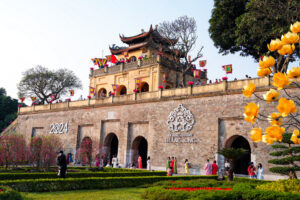
One of the highlights of visiting the citadel is seeing how Vietnam’s history unfolds across different eras. Archaeological displays reveal ancient ceramics, bricks, wells, and palace foundations dating back to the Ly, Tran, Le, and Nguyen dynasties. The underground D67 Command House and Tunnel provides another unique perspective by connecting the country’s ancient imperial history with its modern past.
The best time to visit is in the morning or late afternoon when temperatures are cooler, allowing you to comfortably explore the expansive grounds. Plan to spend around 1.5 to 2 hours walking through the complex, reading the historical exhibits, and enjoying the peaceful gardens that surround the ancient buildings. Guided tours or audio guides can greatly enhance the experience by providing additional historical context.
Explore West Lake & Tran Quoc Pagoda
If you’re looking to escape the busy streets of the Old Quarter, West Lake (Ho Tay) offers a refreshing change of pace. As Hanoi’s largest freshwater lake, it provides wide-open views, peaceful walking paths, trendy cafés, and beautiful sunsets. Exploring this area is one of the most relaxing things to do in Hanoi, especially for travelers who want to experience a quieter side of the city.
One of the lake’s most famous landmarks is Tran Quoc Pagoda, the oldest Buddhist temple in Hanoi, with a history dating back more than 1,500 years. Situated on a small island connected to the shore by a narrow causeway, the pagoda features an elegant 11-story red stupa, ancient Bodhi trees, and beautifully maintained gardens.
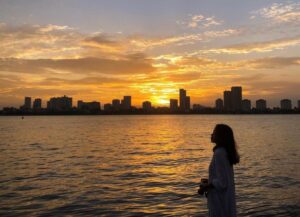
Beyond the pagoda, West Lake is a destination worth exploring in its own right. Rent a bicycle or simply walk along the lakeside to discover charming cafés, rooftop restaurants, art galleries, and local temples. The area is particularly popular among both locals and expats, creating a relaxed atmosphere that contrasts with the bustling Old Quarter.
The best time to visit is in the late afternoon, when temperatures become more comfortable and the lakeside comes alive with joggers, cyclists, and families enjoying the cooler weather. Sunset is especially beautiful during the summer months, with golden light reflecting across the water and creating one of the city’s most photogenic views.
Shop at Dong Xuan Market or Local Night Markets
Shopping is one of the most enjoyable things to do in Hanoi. From bustling traditional markets to lively night markets, Hanoi offers plenty of opportunities to experience local life while picking up memorable gifts to take home. For first-time visitors, Dong Xuan Market and the Hanoi Weekend Night Market are two of the best places to visit in Hanoi for shopping.
Located on the northern edge of the Old Quarter, Dong Xuan Market is Hanoi’s largest indoor market. Spread across several floors, it sells everything from clothing, textiles, household goods, and handicrafts to dried fruits, spices, and traditional Vietnamese snacks. Tourists can also find unique souvenirs such as embroidered items, lacquerware, bamboo products, silk scarves, and handcrafted decorations.
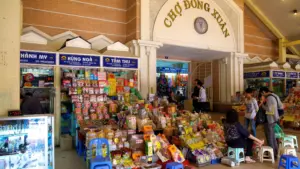
If you’re visiting Hanoi on a weekend, don’t miss the Hanoi Weekend Night Market, which stretches through several streets in the Old Quarter on Friday, Saturday, and Sunday evening. As the streets become pedestrian-only, hundreds of vendors set up stalls selling clothing, accessories, artwork, souvenirs, toys, and local snacks. The market is also filled with street musicians, traditional performances, and food vendors.
When shopping in Hanoi’s markets, bargaining is common, especially when purchasing souvenirs or clothing from smaller stalls. Negotiation is generally expected, but always remain polite and respectful. Carrying cash is helpful, although many shops now accept digital payments or credit cards.
If you’d like to get to know more about unique gifts to bring home and where to buy them in Hanoi, you can read our recent blog about 15 Best Places to Buy Gifts in Hanoi.
Travel tips for Hanoi
A little preparation can make your trip to Hanoi much more enjoyable. While the city is welcoming and easy to explore, knowing a few local tips will help you save time, avoid common mistakes, and experience Hanoi like a local. Here are some practical suggestions for first-time visitors:
Carry cash for small purchases
Although credit cards are accepted at most hotels, shopping malls, and larger restaurants, many street food stalls, local cafés, and traditional markets only accept cash. Keeping some Vietnamese Dong (VND) on hand is useful for transportation, snacks, and souvenirs. ATMs are widely available throughout the city if you need to withdraw cash.
Cross the streets with confidence
One of the biggest surprises for first-time visitors is Hanoi’s traffic. Thousands of motorbikes fill the streets, but crossing safely is easier than it looks. Walk at a steady pace without making sudden movements, and allow drivers to move around you.
Dress comfortably and respectfully
Lightweight clothing and comfortable walking shoes are essential, especially if you’re visiting during the warmer months. If you plan to visit temples, pagodas, or the Ho Chi Minh Mausoleum, wear clothing that covers your shoulders and knees as a sign of respect.
Use ride-hailing apps
Apps such as Grab, Xanh SM, and Be are the easiest and most reliable ways to get around Hanoi. They offer transparent pricing, cashless payment options, and eliminate the need to negotiate fares. They’re especially convenient if you don’t speak Vietnamese.
Stay alert in crowded areas
Hanoi is generally a safe city for tourists, but it’s still wise to keep an eye on your belongings in busy markets, walking streets, and tourist attractions. Use a secure crossbody bag, avoid displaying expensive valuables, and be cautious of overly persistent street vendors.
By following these simple travel tips, you’ll spend less time worrying about logistics and more time enjoying the best things to do in Hanoi.
Highly recommend Vietnam tours
- 14-Day Cultural and Culinary Journey Through Vietnam

- 14-Day Vietnam Soft Adventure

- 10-Day Mekong Delta Cultural Experience from Vietnam to Cambodia