
The Ultimate Guide to Trekking in Vietnam for First-Timers: 10 Best Mountains to Conquer
In recent years, Vietnam has quickly gained popularity as one of the most exciting destinations for outdoor lovers, and trekking in Vietnam is an experience you should not miss. The country offers incredibly stunning landscapes, accompanied by trail routes with many different levels of difficulty, making them suitable for every level of hiker.
If you are new to this outdoor adventure activity, this guide to trekking in Vietnam from Prime Travel will help you better prepare for your next hiking trip in Vietnam. You will discover when to go, what to prepare, and the 10 best mountains to conquer, ranging from easy trails to challenging ones for all sorts of hikers.
What Makes Trekking in Vietnam Suitable for Beginners
Vietnam is an ideal destination for first-time hikers thanks to its diverse landscapes and flexible trekking options. From gentle valley walks to more challenging mountain climbs, beginners can easily find routes that match their fitness level. Many trekking areas, especially in northern regions like Sapa or Pu Luong, offer well-established trails with stunning views of rice terraces, rivers, and traditional villages.
Another reason why trekking in Vietnam is beginner-friendly is the strong availability of local guides and organized tours. First-time trekkers do not need to worry about navigation, language barriers, or logistics. Experienced guides not only ensure safety but also enrich the journey by sharing insights into local culture and daily life.
In addition, Vietnam is known for its affordability compared to many other trekking destinations around the world. Accommodation, food, and guided tours are reasonably priced, making it easier for beginners to try trekking without a large budget.
Best Time for Trekking in Vietnam
Weather by region (North, Central, South) and the best seasons for mountain trekking
The best time for trekking in Vietnam depends largely on the region you plan to visit, as the country’s climate varies from north to south. Understanding seasonal weather patterns will help you choose the right destination and enjoy safer, more comfortable trekking conditions.
- In Northern Vietnam, where most famous trekking routes are located, the trekking season starts from September and ends around April and May. The best time to go on a hike is from October to April. During these months, the weather is generally dry, with mild temperatures (January and February might be colder) and clear skies, perfect for mountain views and outdoor activities.
*Do not go trekking during the summer (June – August). The weather is too hot, and there might be a lot of rain, which results in the activation of insects and snakes. The likelihood of landslides is also higher during these months.
- In Central Vietnam, trekking is less crowded but still rewarding, with places like Phong Nha-Ke Bang National Park offering jungle hikes and cave expeditions. The best time to visit this region is from February to August, when the weather is mostly dry.
*However, temperatures can be quite hot in the summer months. The rainy season typically occurs from September to November, sometimes bringing flooding and making trekking conditions more challenging.
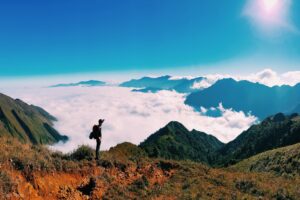
- In Southern Vietnam, trekking is generally easier and shorter, often taking place in national parks such as Cat Tien National Park. The climate here is warm year-round, with two main seasons: dry and rainy. The best time for trekking is during the dry season from December to April, when trails are more accessible and comfortable.
*The rainy season (May to November) can bring muddy paths and high humidity, but it also offers lush green scenery for those who don’t mind the conditions.
Overall, the ideal time for trekking in Vietnam is during the dry seasons in each region, when weather conditions are more stable and safer for outdoor activities. Choosing the right time will not only improve your experience but also help you fully enjoy the country’s diverse and breathtaking landscapes.
If you want to know more details about the weather in Vietnam, check out our blog on the weather guide.
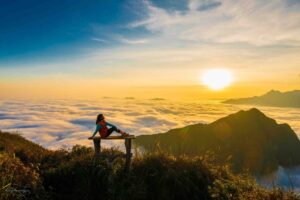
Essential Guide to Trekking in Vietnam For First-Timers
What to Pack for Trekking
Packing for trekking is nothing like packing for traveling to other places. Packing the right gear is one of the most important factors to ensure a safe and enjoyable trekking experience.
Whether you are just hiking through the rice terraces of Sapa or climbing challenging mountains in Northern Vietnam, being well-prepared will make your journey much more comfortable. Since trekking in Vietnam often involves changing weather and uneven terrain, a smart and practical packing list is essential.
Here is a recommended list of items you should prepare:
- A good pair of sturdy hiking shoes with a strong grip, especially for slippery or muddy trails.
Lightweight, breathable clothing, a light jacket or fleece, and a waterproof jacket. - Essential accessories and personal items: a hiking backpack, daily essentials, reusable water bottles, sunscreen, sunglasses, a hat, and insect repellent.
- A simple first aid kit, power bank, and flashlight or headlamp, especially for longer or multi-day treks.
- Snacks and cash
Choosing the Right Trek for Your Level
Choosing the right route is one of the most important steps when planning your trekking experience in Vietnam, especially for beginners. Vietnam offers a wide range of trekking options, from easy village walks to challenging mountain climbs. Understanding your fitness level and travel preferences will help you select a trek that is both enjoyable and safe.
For beginners, it is best to start with easy to moderate routes that do not require technical skills or long hiking hours. Areas like Sapa and Pu Luong are great choices, offering gentle trails through rice terraces and local villages. These routes usually include shorter walking distances, gradual slopes, and still offer a beautiful view to admire.

If you have a higher fitness level or some hiking experience, you can consider more challenging routes with longer distances and steeper terrain. Destinations such as Ha Giang or higher peaks in Northwest Vietnam, like Fansipan, Ky Quan San, Ngu Chi Son… provide more demanding adventures with rewarding views.
It is also important to consider factors such as weather, duration, and whether you prefer a guided tour or independent trekking. If you are unsure, starting with a guided trek is highly recommended, as it provides support, safety, and local insights.
Read more>>Vietnam Mountains Travel Guide for First-Timers: 10 Most Stunning Regions to Visit
Hiring a Guide vs Trekking Independently
When planning your trekking adventure in Vietnam, one of the most important decisions is whether to hire a guide or go independently. While independent travel may sound appealing, it is strongly recommended to trek with a local guide or a reputable tour operator, especially for first-time visitors.
Many trekking destinations in Vietnam do not always have clearly marked trails. Some routes pass through forests where it is easy to take a wrong turn. In more challenging areas, certain mountain peaks may not even have established paths yet. Without proper navigation, trekkers can quickly get lost or face unsafe conditions.
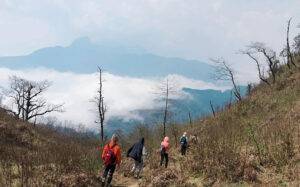
Hiring a local guide significantly improves both safety and overall experience. Guides are familiar with the terrain, weather patterns, and potential risks, and they can adjust the route if conditions change. In case of emergencies, having someone who knows the area and speaks the local language is extremely valuable. This is especially important in remote regions where mobile signals and access to help may be limited.
In addition, choosing a guided trek helps support local communities. Many guides come from ethnic minority villages, and tourism provides an important source of income for them. By hiring a local guide or booking through a reputable trekking operator, you are not only ensuring a safer journey but also contributing positively to the local economy.
Safety Tips for Trekking in Vietnam
Staying safe should always be a top priority when planning your trek in Vietnam. While the country offers incredible landscapes and rewarding trails, conditions can sometimes be unpredictable, especially in mountainous or remote areas. With the right precautions, you can enjoy your trek with confidence and peace of mind.
First, always check the weather conditions before starting your trek. In mountainous areas, the weather can change quickly, with rain making trails slippery and fog reducing visibility. It is best to avoid trekking during heavy rain or storms, and always follow the advice of your guide if conditions are not safe.
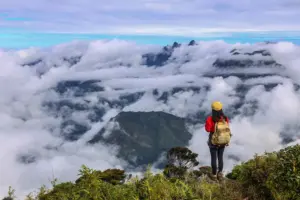
Second, stay on marked paths and follow your guide at all times. As mentioned earlier, some trekking routes in Vietnam are not clearly defined, and leaving the main trail can increase the risk of getting lost or injured. If you are going with local guides or on a trekking tour, you should always go with your guides, don’t speed up and leave them behind.
Another important tip is to stay hydrated and take regular breaks. Trekking in Vietnam often involves warm temperatures and high humidity, which can quickly lead to fatigue or dehydration. Carry enough water, wear appropriate clothing, and listen to your body throughout the journey.
Finally, always inform someone about your trekking plan, especially if you are heading to remote areas. Even when traveling with a guide, it is helpful for your hotel or tour operator to know your route and expected return time. Carrying basic essentials such as a phone, a power bank, and a small first aid kit can help you be more active in case of unexpected situations.
Permits and Local Regulations
When going trekking in Vietnam, it is important to understand that some areas require permits or have specific local regulations. These rules are in place to protect natural environments, ensure visitor safety, and manage access to remote or sensitive regions.
In popular trekking destinations such as Lao Cai, Sapa, Son La, etc., certain routes may require entry permits. These are usually arranged easily through local guides or tour operators, which is another reason why booking a guided trek is highly recommended.
National parks, for example, Phong Nha-Ke Bang National Park, Cat Tien National Park, etc., also have their own regulations. Visitors are often required to pay entrance fees and follow specific rules, such as staying on designated trails, not camping in restricted areas, not littering, and respecting conservation guidelines.
It is also important to be aware of general local rules and cultural expectations. Avoid entering private land without permission, and always respect local communities and their way of life. In some regions, photography or drone usage may be restricted, especially near border zones or military areas.
Overall, understanding and following permits and local regulations will help ensure a smooth and responsible trekking experience. You should always be mindful of it before going trekking in Vietnam.
Read more>>Do I Need a Visa for Vietnam? A Complete Guide for Travelers
10 Best Mountains to Conquer in Vietnam
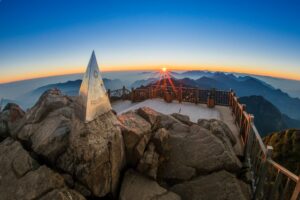
Fansipan (Roof of Indochina)
Standing at 3,143 meters, Fansipan is the highest mountain in Vietnam and is often called the “Roof of Indochina.” Located near Sapa, the mountain is surrounded by stunning landscapes of dense forests, waterfalls, and panoramic views above the clouds at the summit.
Most trekking routes here take 2 days. Along the way, hikers pass through diverse ecosystems, from tropical forests at lower elevations to cooler, misty environments near the summit. The journey itself is just as memorable as reaching the top, with constantly changing scenery and a strong sense of adventure.
However, Fansipan is not an easy hike and requires good physical condition. The trails can be steep, muddy, and physically demanding, especially after rain. With proper support, even beginners can take on this challenge with confidence. Reaching the peak after days of hiking is an unforgettable achievement, making it one of the most satisfying experiences you will have in Vietnam.
Pu Si Lung
Rising to 3,083 meters, Pu Si Lung is one of the highest and most difficult peaks in Vietnam. Located near the border with China in Lai Chau Province, this mountain is a true hidden gem for adventurous trekkers seeking a more off-the-beaten-path experience. Compared to more popular destinations, Pu Si Lung offers untouched nature, dense forests, and a real challenge to hikers.
Trekking Pu Si Lung is not for beginners, as the route is long, physically demanding, and requires careful preparation. Most treks take at least 3 days, passing through thick jungle, steep slopes, and technical terrain. Unlike more developed trekking areas, trails here are less defined, and navigation can be challenging.
One of the highlights of Pu Si Lung is its pristine natural environment. Trekkers will encounter old-growth forests, rare plant species, and peaceful streams along the way. The journey also offers a unique opportunity to experience remote regions of northern Vietnam that few travelers get to see.
Due to its difficulty and remote location, Pu Si Lung is best suited for experienced hikers or adventurous travelers in good physical condition. However, for those ready to take on the challenge, it stands out as one of the most rewarding and unforgettable mountains to conquer in Vietnam.
Ky Quan San (Bach Moc Luong Tu)
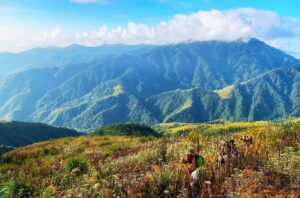
At 3,046 meters, Ky Quan San, also known as Bach Moc Luong Tu, is one of the most breathtaking peaks for trekking in Vietnam. Located on the border between Lao Cai and Lai Chau provinces, this mountain is famous for its dramatic landscapes, “sea of clouds,” and unforgettable sunrise views.
The trek to Ky Quan San usually takes 2 to 3 days, depending on the route and pace. Along the way, hikers will pass through dense forests, bamboo groves, steep ridges, and open mountain slopes. One of the highlights of this trek is staying overnight near the Nui Muoi Mountain at 2215m above sea level, where you can wake up early to witness clouds flowing through the valleys below.
Compared to Fansipan, Ky Quan San is considered more rugged and less crowded, offering a more adventurous and authentic trekking experience. However, the trails can be steep, slippery, and physically demanding, especially during wet conditions. Weather can also change quickly, with fog and strong winds near the summit, so preparation is essential.
Phu Sa Phin (Ta Xua)
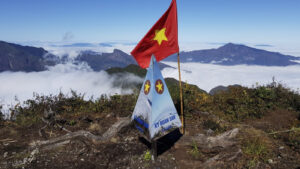
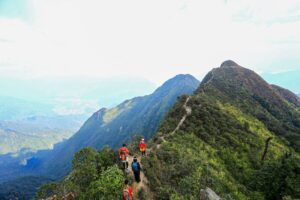
Standing at around 2,865 meters, Ta Xua, now known as Phu Sa Phin, is one of the most iconic trekking destinations in Northern Vietnam. Famous for its fairytale-like mossy forest and breathtaking “dinosaur spine” trail, Ta Xua offers one of the most unique and photogenic experiences for those interested in trekking in Vietnam.
The trek to Ta Xua typically takes 2 days. Along the way, trekkers will pass through forests, mountain slopes, and narrow ridges with stunning panoramic views. The highlight of the journey is walking along the mossy forest and conquering the famous ridge, where both sides drop steeply into the valleys below.
Ta Chi Nhu
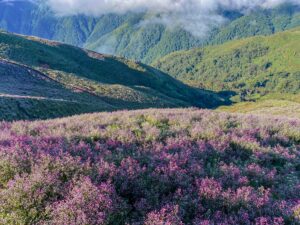
Ta Chi Nhu (2979m) is one of the most stunning peaks for trekking in Vietnam, especially for those who love cloud hunting and flowers. Located in Yen Bai Province, Ta Chi Nhu is well known for its golden grass hills and breathtaking “sea of clouds,” making it a favorite among photographers and adventure seekers.
The trek to Ta Chi Nhu is typically completed in 2 days and 1 night, making it a great option for those who want a challenging but relatively short adventure. Unlike forest-heavy treks, Ta Chi Nhu features long stretches of open terrain, allowing hikers to enjoy uninterrupted panoramic views along the way.
One of the best times to visit Ta Chi Nhu is during its flower seasons: Chi Pau flower season (October – November) and Son Tra flower season (February to March).
- Around October to November, the mountain is covered in vibrant Chi Pau flowers, creating a dreamy purple-pink landscape along the trails.
- Later in the year, from December to early spring, trekkers can witness the delicate white blooms of Son Tra flowers, adding a soft and poetic touch to the rugged terrain.
Ngu Chi Son
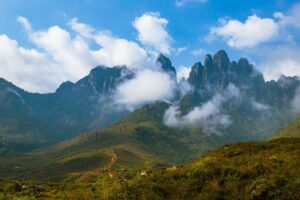
Standing at around 2,858 meters, Ngu Chi Son is one of the most distinctive peaks for trekking in Vietnam. Its name means “Five Fingers Mountain,” inspired by the unique formation of five jagged peaks rising dramatically into the sky.
You usually need 2 days to conquer this mountain. The journey passes through dense forests, steep slopes, and narrow ridgelines, making it both physically demanding and exciting. As you get closer to the summit, the terrain becomes more rugged, challenging, and also… a bit eccentric with the wooden ladder made by the locals.
The mountain offers stunning panoramic views, especially on clear days when you can see layers of peaks stretching into the distance. The dramatic shape of the summit also makes it a rewarding destination for photographers and adventure seekers alike.
Pu Luong
Unlike high mountain peaks, Pu Luong offers a softer and more accessible experience, making it perfect for beginners exploring trekking in Vietnam. This nature reserve is known for its peaceful atmosphere, lush rice terraces, and traditional villages, providing a beautiful balance between adventure and cultural discovery.
Trekking in Pu Luong is generally easier compared to other destinations on this list. Most routes involve gentle to moderate walks through valleys, rice fields, bamboo forests, and small villages. Treks can range from half-day walks to multi-day journeys, depending on your route and schedule.
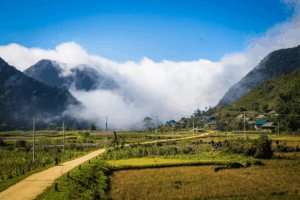
One of the highlights of Pu Luong is the opportunity to experience local life. Along the way, trekkers can visit ethnic Thai and Muong villages, see traditional stilt houses, and interact with friendly locals. The scenery is especially beautiful during the rice seasons, when the terraces turn bright green or golden, creating picture-perfect landscapes.
For those looking to start their journey into trekking in Vietnam, Pu Luong is an ideal destination. It offers stunning scenery, cultural richness, and a comfortable introduction to trekking without being too physically demanding.
Lang Biang Mountain
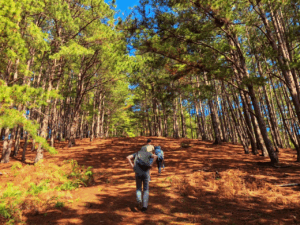
Located just outside Da Lat, Lang Biang Mountain is one of the most accessible and beginner-friendly trekking destinations in southern Vietnam. Known for its cool climate, pine forests, and panoramic views, Lang Biang offers a refreshing escape and is a great place to start your trekking journey in Vietnam.
The trek to the summit is relatively short and can usually be completed within half a day to one day, depending on your pace and chosen route. The trail passes through lush forests and gradually climbs to higher elevations, where trekkers are rewarded with sweeping views of Da Lat city, surrounding valleys, and distant mountains.
Ba Den Mountain
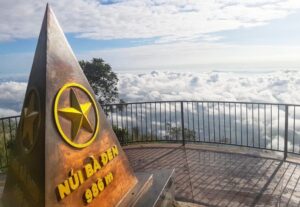
Standing at 986 meters, Ba Den Mountain is the highest peak in the Southeastern region of Vietnam and a popular destination for both trekking and spiritual journeys. Located about 1-2 hours from Ho Chi Minh City, this mountain offers a chance to get away from the hustle and bustle of city life.
Ba Den Mountain features several trekking routes with different difficulty levels, ranging from beginner-friendly trails to more challenging paths through forests and rocky terrain. Depending on the route, the hike can take half a day to a full day. Along the way, trekkers will pass through lush greenery, temples, and scenic viewpoints, making the journey both physically engaging and culturally interesting.
One of the highlights of Ba Den is the panoramic view from the summit. On clear days, you can see vast landscapes stretching across Tay Ninh Province and even toward the Cambodian border. The mountain is also known for its spiritual significance, with pagodas and religious sites that attract both pilgrims and visitors.
Bidoup Nui Ba National Park
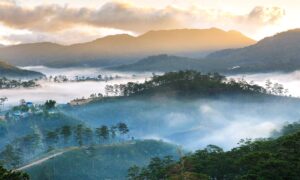
Located in the Central Highlands near Da Lat, Bidoup Nui Ba National Park is one of the most diverse and rewarding destinations for trekking in Vietnam. Known for its rich biodiversity and untouched forests, this national park offers a unique trekking experience that combines nature, adventure, and conservation.
Trekking routes in Bidoup Nui Ba vary from moderate to challenging, with options ranging from one-day hikes to multi-day expeditions. The park is home to dense tropical forests, rare plant species, and a wide variety of wildlife. Unlike more open mountain treks, hiking here takes you deep into jungle environments, where the scenery is lush, green, and full of life.
As a protected national park, Bidoup Nui Ba has strict regulations, and visitors are required to register and often trek with authorized guides. Trails can be complex and not clearly marked, so independent trekking is not recommended.
Read more>>The Ultimate Quang Binh Travel Guide for First-Time Visitors 2025
Legitimate and Certified Trekking Tour Companies
Viettrekking
Viettrekking is one of the most popular trekking operators in Northern Vietnam, especially for routes around Fansipan and Sapa. They offer a wide range of trekking tours suitable for beginners and experienced hikers, with well-organized itineraries and experienced local guides. This company is a great choice for those looking for structured yet accessible trekking experiences.
To Ong Adventure
To Ong Adventure focuses on authentic and nature-based trekking experiences, often taking travelers to less touristy destinations. Their tours emphasize small groups, local interaction, and immersive journeys, making them ideal for travelers who want a more off-the-beaten-path trekking experience in Vietnam.
Oxalis Adventure
Oxalis Adventure is internationally recognized for its high-quality expedition tours, particularly in Phong Nha-Ke Bang National Park. The company is known for its strict safety standards, professional guides, and sustainable tourism practices.
Their tours range from beginner-friendly cave explorations to advanced multi-day expeditions, with detailed safety systems including trained rescue teams and specialized equipment. This makes Oxalis one of the most reliable choices for adventurous trekking and caving experiences in Vietnam.
*This is also the only tour operator that is licensed to operate Son Doong Cave Expedition Tour – the biggest cave in the world.
Jungle Boss Tours
Jungle Boss Tours specializes in jungle trekking and cave exploration, also based in Phong Nha. The company offers unique and adventurous itineraries, including deep jungle expeditions and cave camping experiences. Their tours are designed with a strong focus on safety, small group sizes, and environmental sustainability.
Highly recommend Vietnam tours
- 14-Day Cultural and Culinary Journey Through Vietnam

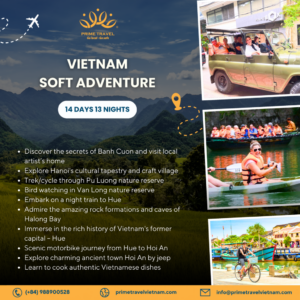
- 14-Day Vietnam Soft Adventure
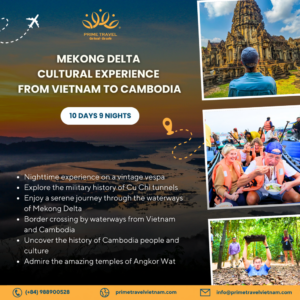
- 10-Day Mekong Delta Cultural Experience from Vietnam to Cambodia
>>Explore more>>
10 Best Photography Spots in Vietnam: Rules and Tips for Photographers Traveling to Vietnam
10 Most Romantic Destinations in Vietnam for Couples and Honeymooners


