

10 Best Photography Spots in Vietnam: Rules and Tips for Photographers Traveling to Vietnam
Vietnam is a paradise for photographers, offering an incredible mix of landscapes, culture, and everyday life scenes. From misty mountain terraces in the north to lantern-lit streets, tropical beaches, and vibrant city markets, the country is filled with moments waiting to be captured.
In this guide, Prime Travel will introduce you to the best photography spots in Vietnam, along with useful photography tips and important photography rules to keep in mind when traveling. With the right preparation and approach, you’ll be ready to capture some of the most unforgettable images during your journey in Vietnam.
Why Vietnam Is a Dream Destination for Photographers
Vietnam is one of the most visually diverse countries in Southeast Asia, which makes it a paradise for photographers. From dramatic mountains and rice terraces to tropical islands and historic towns, the variety of landscapes creates endless creative opportunities. Travelers looking for the best photography spots in Vietnam will quickly discover that every region offers something unique to capture.
Northern Vietnam is famous for its misty mountains, winding roads, and spectacular rice terraces. Destinations like Sapa, Ha Giang, and Mu Cang Chai offer breathtaking scenery, especially during sunrise when clouds roll over the valleys. In contrast, if you like to roam around the mainland, some other iconic places for photography, such as Ha Long Bay and Ninh Binh are sweet destinations for photography.
Vietnam is also rich in culture and everyday life scenes that photographers love to document. In historic towns like Hoi An Ancient Town, colorful lanterns, yellow houses, and riverside streets create magical evening photography opportunities. Meanwhile, busy cities such as Hanoi provide vibrant street photography moments, from early morning markets to the bustling Old Quarter, where local people often hang out.
With so many landscapes, cultures, and lighting conditions, Vietnam truly offers some of the best photography spots in Vietnam for travelers looking to capture unforgettable images. Grab a good camera (or just shoot with your phone) and come to Vietnam, you’ll never be disappointed.
Essential Photography Tips for Traveling in Vietnam
Traveling through Vietnam offers incredible opportunities to capture unique landscapes, vibrant street life, and cultural moments. As many other places on earth, Vietnam has both good lighting and bad lighting for photography. Therefore, understanding the environment, lighting, and local conditions can help you make the most of these Vietnam photo spots and capture better images throughout your journey.
One of the most important photography tips is to plan your shoots around the best natural light. Sunrise and sunset often create the most dramatic colors and shadows. Places like Ha Long Bay and Ninh Binh are especially magical during golden hour, when the limestone mountains and water reflect warm sunlight. Early morning is also ideal for photographing rice terraces and landscapes before crowds arrive.
Read more>>Does Vietnam have good beaches? 10 Best Beaches in Vietnam
Another thing that you should consider for photography in Vietnam is air pollution. This can happen in Northern Vietnam during the wintertime, especially in major cities like Hanoi. This phenomenon often comes with haze or smog that can reduce visibility and make distant landscapes appear less sharp in photos.
Weather conditions can also change quickly in Vietnam, particularly in mountainous areas such as Ha Giang. Bringing weather protection for your camera and lenses is highly recommended. A lightweight rain cover, a microfiber cloth, and extra batteries are useful when traveling long distances between different photography locations.
Another useful tip is to pack versatile gear. In busy cities like Hanoi, a compact camera or mirrorless setup can be easier for street photography. Moreover, these types of cameras will also help photographers blend in, avoiding unnecessary attention while capturing natural moments of daily life.
Photography Etiquette and Rules in Vietnam
Although Vietnam is quite open for photographing in general, there are still some unspoken rules and etiquette that you should follow to make sure you won’t get into any unnecessary trouble. Therefore, understanding photography etiquette and rules is important when visiting different destinations across the country.
Asking Permission Before Photographing People
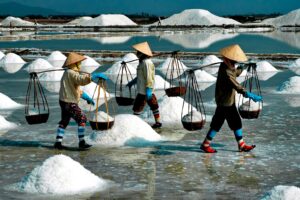
Vietnamese people are generally friendly and welcoming, especially in rural areas and traditional villages. However, it is always polite to ask permission before taking close-up photos of someone. This is particularly important when photographing elderly people, street vendors, or children.
A simple smile or a friendly gesture can go a long way. In many cases, locals will happily agree and may even pose for you. In ethnic minority regions like Sapa or Ha Giang, respecting local customs is especially important. Building a small connection with people often results in more authentic and memorable photos.
Read more>>A Guide to Sapa’s Hidden Gems: 7 Lesser-Known Places to Visit
Photography Rules in Temples and Religious Sites
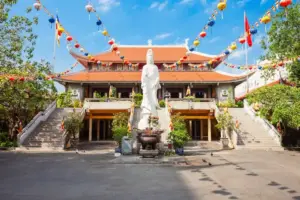
Vietnam is home to many beautiful temples, pagodas, and spiritual landmarks that are popular with photographers. However, these places are primarily religious spaces, so visitors should follow basic rules of respect.
When visiting sites such as Tran Quoc Pagoda or Thien Mu Pagoda, avoid using flash photography inside prayer halls or sacred areas. Flash can disturb worshippers and damage delicate decorations or paintings. Some temples may also restrict photography in certain areas, so always pay attention to posted signs or instructions from staff.
Drone Regulations and Restricted Areas
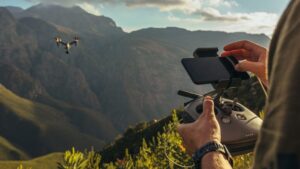
Drone photography has become increasingly popular for capturing Vietnam’s stunning landscapes. Places like Ha Long Bay or Ninh Binh look spectacular from above. However, drone usage in Vietnam is regulated and may require special permits.
Flying drones near airports, military zones, or government buildings is strictly prohibited. In some tourist destinations, local authorities may also restrict drone flights to protect safety and privacy. Before bringing a drone to Vietnam, photographers should check current regulations and ensure they follow local guidelines to avoid fines or equipment confiscation.
*You can check the banned and restricted zones for drones here.
10 Best Photography Spots in Vietnam
Ninh Binh
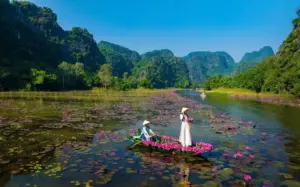
Ninh Binh, often called “Halong Bay on land”, is considered one of the best photography spots in Vietnam thanks to its dramatic limestone mountains, peaceful rivers, and wide green rice fields. Located just a few hours from Hanoi, this destination offers a mix of natural beauty and cultural charm that photographers love.
One of the most famous Vietnam photo spots in Ninh Binh is Tam Coc, where photographers can capture small boats gliding along the river between rice fields and limestone cliffs. Trang An is another stunning area, known for its winding waterways, caves, and scenic boat rides.
For panoramic photography, Hang Mua is one of the top places to visit. After climbing 500 steps to the viewpoint, photographers are rewarded with a breathtaking view over the river, mountains, and surrounding fields. Sunrise and late afternoon are the best times to shoot here, as the changing light adds depth and texture to the landscape.
Other spots you should consider shooting are ancient temples, quiet villages, and local farmers working in the fields, which add more depth to your photo collection. With its unique combination of nature, daily life, and iconic scenery, Ninh Binh truly deserves its place among the best photography spots in Vietnam.
Read more>>A Complete Ninh Binh Guide: Everything You Need for a Perfect Trip
Sapa
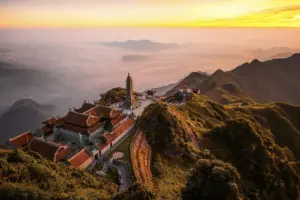
Sapa is one of the best photography spots in Vietnam for travelers who love mountain landscapes, rice terraces, and cultural immersion. Located in northern Vietnam, Sapa is famous for its scenic treks, layered rice fields, and misty valleys that create beautiful scenes throughout the year.
One of the biggest highlights of Sapa is its terraced rice fields. During the planting season, the fields reflect the sky like mirrors, while the harvest season (August – September) brings rich golden colors across the mountainsides. These views make Sapa one of the most impressive Vietnam photo spots for landscape photography.
*Popular areas to see rice terraces: Muong Hoa Valley, Lao Chai, and Ta Van Village
Sapa is also an excellent place for cultural photography. Many ethnic minority communities live in the area, and photographers can often see traditional clothing, local markets, and daily life activities. However, it is important to photograph people respectfully and ask for permission before taking close-up portraits.
*Other suggestions to take photos near Sapa: O Quy Ho Pass (Lonely Tree), Moana Sapa, Best View Sapa, Fansipan Peak, Hoang Lien National Park
Hoi An Ancient Town
Hoi An Ancient Town is one of the most charming and photogenic destinations in the country. With its yellow colonial buildings, colorful lanterns, and peaceful riverside setting, it is easy to see why many travelers consider it one of the best photography spots in Vietnam. Every corner of the old town offers beautiful details, from flower-covered balconies to wooden shopfronts and narrow streets filled with character.
One of the biggest highlights of Hoi An is its atmosphere, especially in the late afternoon and evening. As the sun begins to set, the warm light makes the old buildings glow, creating perfect conditions for street photography. After dark, hundreds of lanterns light up the town and reflect on the river, making it one of the most magical Vietnam photo spots for night photography.
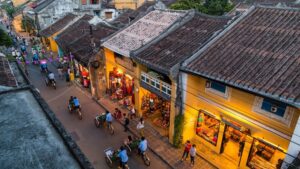
Beyond the famous lantern streets, photographers can also capture daily life in local markets, quiet alleys, and riverside cafés. The Japanese Covered Bridge is another iconic location, while nearby An Bang Beach and the coconut forests of Cam Thanh offer more variety for travel photography.
To get the best photos, it is worth exploring early in the morning before the streets become busy. With its timeless beauty, rich heritage, and romantic lighting, Hoi An Ancient Town truly deserves its place among the best photography spots in Vietnam.
Read more>>Hoi An Lantern Festival 2025 – 2026: Dates and Top Things To Do
Mu Cang Chai
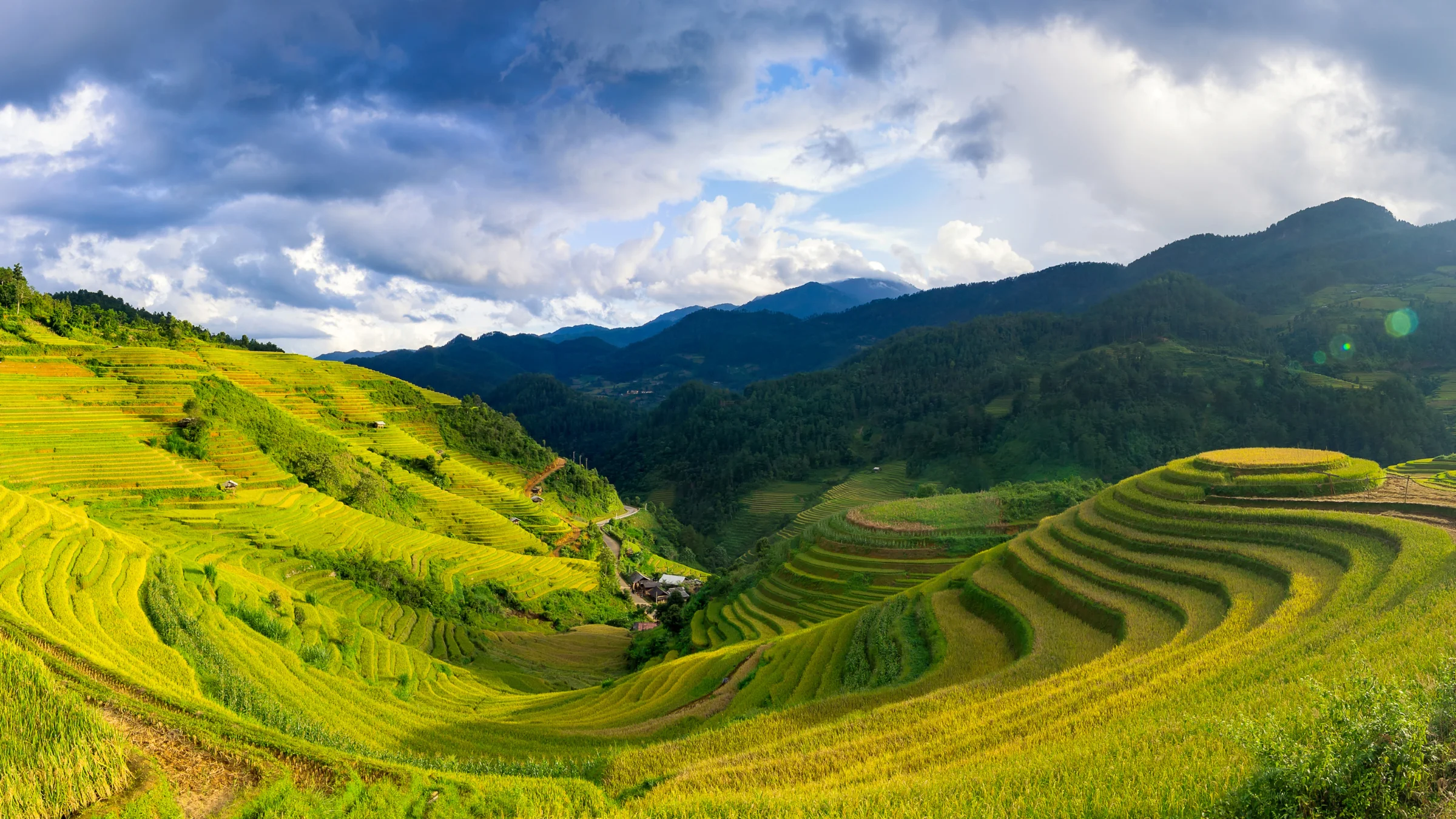
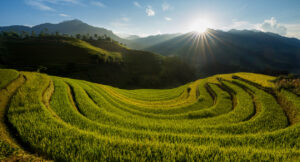
Mu Cang Chai might be the most popular destination for landscape photographers. Known for its spectacular terraced rice fields, this remote area offers some of the best photography spots in Vietnam for those seeking dramatic natural scenery.
The most famous time to photograph Mu Cang Chai is during the rice harvest season, when the terraces turn brilliant shades of gold. This usually happens in early autumn and attracts photographers from around the world.
Popular viewpoints such as La Pan Tan, Che Cu Nha, and De Xu Phinh offer wide panoramic views over the valleys and terraced hills. Sunrise and late afternoon are the best times to shoot, when soft light adds depth and texture to the landscape. Misty mornings can also create a dreamy atmosphere, giving photos a more artistic and dramatic mood.
Besides its famous rice terraces, Mu Cang Chai also offers opportunities for cultural photography. The area is home to ethnic minority communities, and photographers may capture traditional houses, local markets, and daily life in the mountains. With its stunning scenery, seasonal beauty, and authentic local charm, Mu Cang Chai truly stands out among the best photography spots in Vietnam.
Da Lat
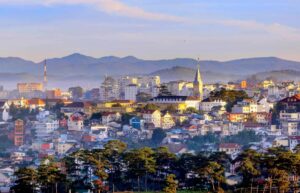
Da Lat is one of the most romantic and atmospheric destinations in the country, known for its cool weather, pine forests, flower gardens, and misty mornings. Da Lat offers a very different visual style compared to Vietnam’s beaches and busy cities. The city has a soft and dreamy charm that photographers often love.
One of the biggest highlights of Da Lat is its natural scenery. Places like Xuan Huong Lake, Tuyen Lam Lake, and the surrounding pine hills create peaceful landscapes that look especially beautiful at sunrise. In the early morning, light fog often covers the city and nearby valleys, adding depth and mood to every image.
Da Lat is also famous for its architecture and creative photo locations. The city features French colonial villas, charming cafés, colorful flower farms, and artistic spots like the Crazy House and Da Lat Railway Station. These places give photographers a mix of classic, vintage, and playful backgrounds, making the destination ideal for portraits, lifestyle shots, and travel photography.
The cool climate also makes it comfortable to walk around with camera gear for long hours. With its dreamy landscapes, elegant architecture, and peaceful atmosphere, Da Lat is truly worth paying a visit, not only to take photos but to immerse yourself in its beauty.
Ha Giang Loop
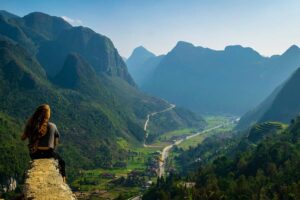
Ha Giang Loop is one of the most spectacular road trip routes in Vietnam and easily boasts a lot of stunning photography spots. Nestled in Vietnam’s northern highlands, this region is known for its dramatic mountain passes, deep valleys, winding roads, and traditional villages. For photographers who love raw landscapes and adventure, Ha Giang offers endless opportunities to capture unforgettable scenes.
One of the biggest reasons photographers are drawn to Ha Giang is the scale of its scenery. The mountains feel massive, the roads twist through breathtaking cliffs, and viewpoints appear around almost every corner. Ma Pi Leng Pass is one of the most iconic locations, offering stunning views over steep rocky mountains and the Nho Que River below.
Along the route, photographers can visit ethnic minority villages, local markets, and traditional homes surrounded by mountain landscapes. Places like Dong Van, Meo Vac, and Yen Minh all offer different visual experiences. Or you can stop by midway any time you spot a scene you want to capture.
Please note that the weather can change quickly in the mountains, so clouds and fog may create dramatic conditions as well. Take advantage of it to capture some moody and dreamy photos.
Phu Quoc
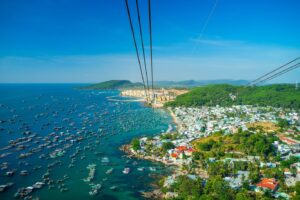
Phu Quoc is the largest island in Vietnam and a beautiful island destination in the south, renowned for its sunny, white sand beaches, lined with palm trees, surrounded by crystal-clear water. Phu Quoc offers a completely different photography experience from the mountains and cities of mainland Vietnam.
One of the biggest highlights of Phu Quoc is its coastline. Beaches such as Long Beach, Khem Beach, and Ong Lang Beach are perfect for photography, especially in the early morning or late afternoon. Sunset is particularly magical on the island, with warm colors spreading across the sea and palm-lined shores.
*Other places to shoot during sunset: Sunset Sanato, Sunset Town, hidden beaches such as Vung Bau Beach, Rach Vem Beach…
Beyond the beaches, Phu Quoc also offers many other visual experiences. Photographers can explore fishing villages, local markets, colorful boats, pepper farms, and scenic coastal roads. Take the Hon Thom cable car to nearby islands to observe a panoramic view from above.
Read more>>10 Best Phu Quoc Luxury Resorts & Hotels 2025
Hue
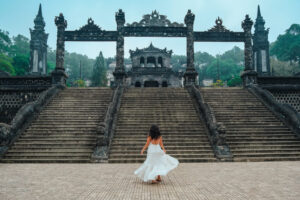
As the former imperial capital, Hue is known for its historic architecture, royal heritage, and peaceful riverside setting. For photographers, the city offers a beautiful mix of ancient landmarks, traditional details, and daily local life.
One of the most famous places to photograph in Hue is the Imperial City. Its old gates, courtyards, temples, and weathered walls create timeless scenes that are full of character. The city’s royal tombs, such as Minh Mang Tomb and Khai Dinh Tomb, also offer stunning backgrounds with elegant design and unique architectural details.
Hue is also beautiful beyond its famous monuments. The Perfume River adds a soft and serene vibe to the city, especially at sunrise or sunset. Nearby places such as Thien Mu Pagoda give even more variety for cultural and landscape photography.
Ha Long Bay
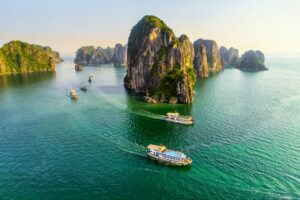
Although this UNESCO World Heritage Site is often packed with people during the peak season, I think it’s still worth paying a visit. Famous for its emerald water and thousands of limestone islands rising from the sea, Ha Long Bay offers a landscape that feels both dramatic and peaceful.
One of the best ways to photograph Ha Long Bay is to take an overnight cruise. You can wake up to the stunning view of Halong Bay and enjoy the sunset on the cruise. These moments make Ha Long Bay one of the most unforgettable Vietnam photo spots for landscape and travel photography.
However, you still get to visit floating villages, fishing boats, caves, and hidden beaches, which add more depth to the experience. For the best results, photographers should be prepared for changing weather and soft haze to plan ahead for their photos. With its unique karst landscape and timeless beauty, Ha Long Bay is a perfect stop for those who love nature and photography.
Hanoi
This list cannot be complete without the capital of Vietnam. Hanoi is one of the most dynamic and rewarding destinations for photographers. The city offers a fascinating blend of old and new, where ancient temples, colonial buildings, busy streets, and modern cafés all exist side by side. For photographers, Hanoi is full of energy, character, and everyday moments worth capturing.
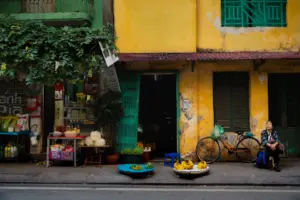
In the Old Quarter, photographers can capture narrow streets, motorbikes, street vendors, and historic shop houses that reflect the city’s daily rhythm.
Hoan Kiem Lake offers a different atmosphere, especially in the early morning when locals gather to exercise, walk, and enjoy the peaceful surroundings. Besides, the capital is also rich in cultural and architectural subjects. Places like the Temple of Literature, One Pillar Pagoda, and St. Joseph’s Cathedral provide striking backdrops with very different styles.
Another famous site is the Train Street, which is another wonderful location for photography. All in all, Hanoi isn’t just a stop between destinations; it’s worth slowing down and exploring the city with its rich history and culture.
Highly recommend Vietnam tours
- 14-Day Cultural and Culinary Journey Through Vietnam

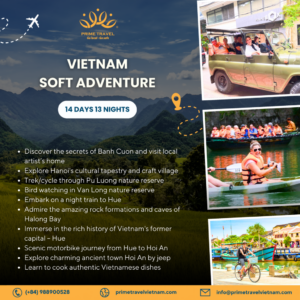
- 14-Day Vietnam Soft Adventure
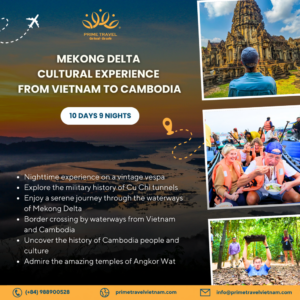
- 10-Day Mekong Delta Cultural Experience from Vietnam to Cambodia
Road Safety and Traffic in Vietnam: A COMPLETE Guide for First-Timers
10 Culture Shocks in Vietnam You’ll Experience (And How to Handle Them)
10 Most Romantic Destinations in Vietnam for Couples and Honeymooners


