

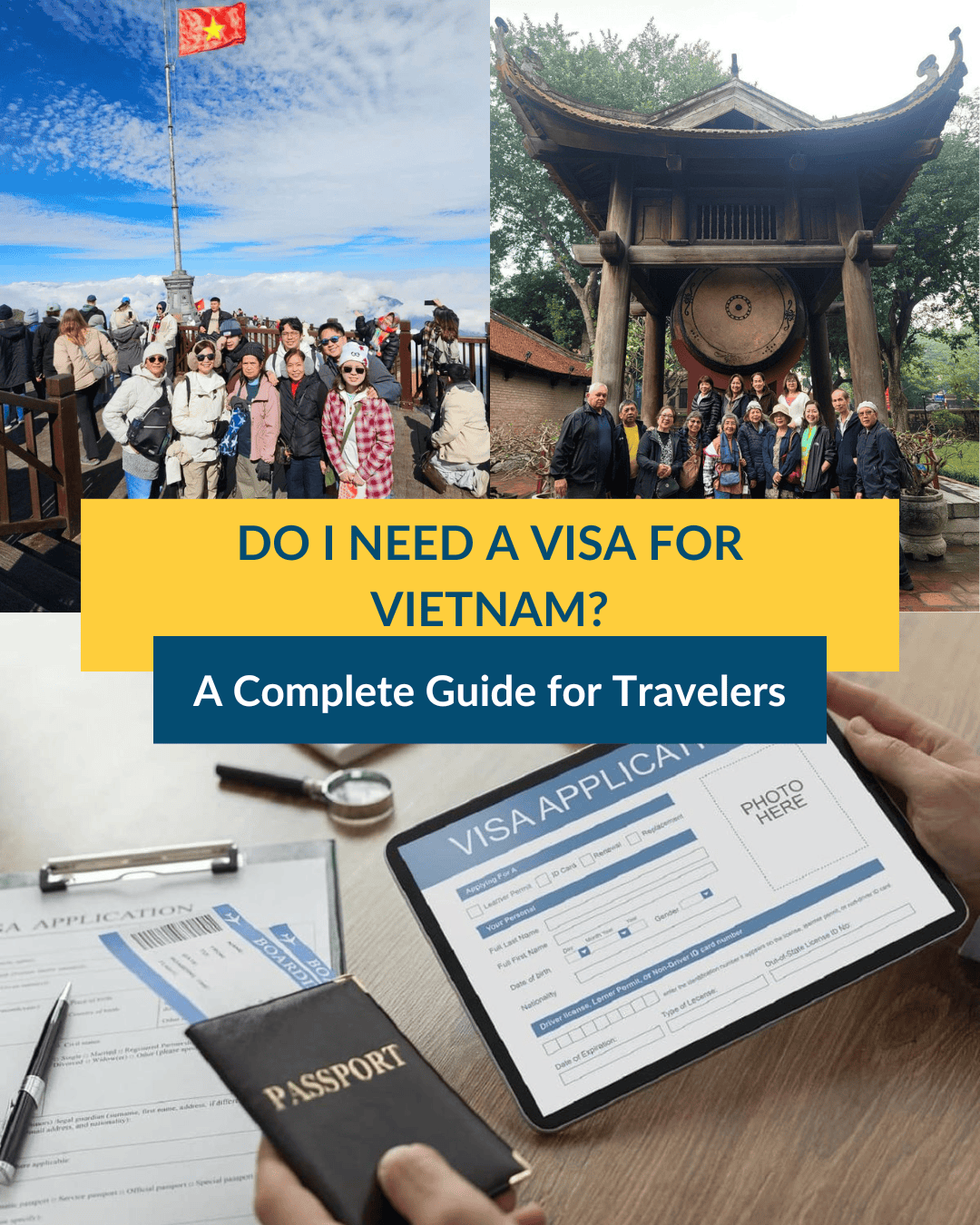
Do I Need a Visa for Vietnam? A Complete Guide for Travelers
When planning a trip to Vietnam, one of the first questions travelers ask is: do I need a visa for Vietnam? Visa rules can feel confusing, especially with different requirements by nationality and length of stay. Understanding Vietnam visa requirements early helps you plan a smooth and stress-free journey.
In recent years, Vietnam has updated its visa policies to make travel easier for international visitors. From visa exemptions to the Vietnam e-visa system, travelers now have more flexible options than ever.
In this guide, Prime Travel will help you understand all the basics: who needs a visa for Vietnam, which nationalities are visa-free, and how to apply for a Vietnam visa step by step.
Who Needs a Visa to Enter Vietnam?
Countries with Vietnam visa exemption
As of 2026, Vietnam offers visa exemption for tourism to ordinary passport holders from 39 countries, with permitted stays ranging from 14 to 90 days. Visa exemption policies vary by nationality, with some countries allowed to stay visa-free for 15, 30, or 45 days, depending on bilateral agreements.
For example, citizens of countries such as Japan, South Korea, and most European Union nations enjoy visa-free entry for up to 15 or 30 days. Philippine passport holders can enjoy a 21-day visa exemption.
You can check the list of 39 countries with visa-free entry here.
Nationalities that require a Vietnam visa
Most travelers who are not on Vietnam’s visa exemption list are required to apply for a visa before entering the country. This applies to many nationalities from Africa, the Middle East, South Asia, and parts of the Americas, as well as several countries in Eastern Europe and Central Asia. If your passport is not included in the visa-free categories, obtaining a Vietnam travel visa is mandatory.
Most African countries need to apply for a Vietnam visa. Travelers from the United States, Canada, Australia, New Zealand, and many Middle Eastern countries also need a visa to enter Vietnam for tourism purposes.
Fortunately, Vietnam offers multiple visa options for these travelers, including the Vietnam e-visa, visa on arrival, and embassy-issued visas. The good news is that, from 15th August 2023, Vietnam allows citizens of all countries and territories to apply for an e-visa, which permits a stay of up to 90 days and supports multiple entries.

Types of Vietnam Visas for Tourists
Vietnam offers several tourist visa options to suit different travel needs. The most popular choices include the Vietnam e-visa, visa on arrival, and embassy-issued visas. Each option varies in terms of eligibility, processing time, and flexibility.
Understanding these visa types will help you choose the most convenient and cost-effective way to enter Vietnam. Among them, the Vietnam e-visa is now the preferred option for most travelers due to its simplicity and online application process.
Vietnam e-Visa
The Vietnam e-visa is one of the most convenient ways to apply for a Vietnam visa without visiting an embassy. It is available to citizens of all countries and territories and can be applied for entirely online. This option is ideal for travelers who want a quick and straightforward way to secure a Vietnam travel visa.
With a Vietnam e-visa, travelers can stay in the country for up to 90 days and enjoy single or multiple entries, depending on the visa selected. Processing usually takes 3–5 working days, making it a convenient choice for short-term travel planning. Once approved, the e-visa can be used at major international airports, land borders, and seaports across Vietnam.
You can apply for a Vietnam e-Visa through the Vietnam National Electronic Visa system.
Read more>>A Guide to Sapa’s Hidden Gems: 7 Lesser-Known Places to Visit

Visa on Arrival (VOA)
Visa on Arrival (VOA) is another option for travelers who prefer flexibility or need assistance before entering Vietnam. Unlike the e-visa, VOA requires a pre-approval to be applied for online before departure. Once approved, travelers receive an official approval letter, which allows them to obtain the visa stamp upon arrival at selected international airports in Vietnam.
This type of Vietnam travel visa is commonly used by travelers arriving at major airports such as Hanoi, Hai Phong, Ho Chi Minh City, Da Nang, and Nha Trang. VOA is available for tourist stays of up to 30 or 90 days, with options for single or multiple entries.
The VOA process involves two steps: applying online for an approval letter and then completing the visa stamping at the airport. Upon arrival, travelers present their approval letter, pay a stamping fee, and receive their Vietnam visa. While the process is straightforward, waiting time at immigration can vary depending on arrival time and airport traffic.
It is important to note that Visa on Arrival is not the same as arriving without a visa. Travelers must obtain the approval letter in advance, or they may be denied boarding by airlines.
Embassy Visa
An Embassy Visa is the traditional option for travelers who prefer to obtain their Vietnam visa before departure through a Vietnamese embassy or consulate. To apply, travelers must submit their passport, application form, photos, and supporting documents directly to the embassy or consulate in their home country or region.
Processing times vary by location, but it usually takes 5–10 working days, with express services available in some cases. Fees and requirements may differ depending on nationality and visa duration.
Although the embassy visa process can be more time-consuming, it provides peace of mind for travelers who want everything arranged in advance. This option is often recommended for travelers with complex itineraries, extended stays, or those entering Vietnam through land borders where other visa options may not apply.
How to Apply for a Visa for Vietnam for Tourists
Documents required
To apply for a Vietnam tourist visa, travelers need to prepare a few basic documents. Requirements may vary slightly depending on the visa type, but most applications follow the same checklist.
First, you need a valid passport with at least 6 months of validity remaining from your arrival date in Vietnam. The passport should also have at least one blank page for visa stamps. This is a mandatory requirement for all Vietnam visa applications.
Next, prepare a passport-sized photo taken recently with a white background. For online applications such as the Vietnam e-visa, a digital photo and a scanned copy of your passport’s information page are required instead of printed photos.
You will also need a completed visa application form, either online or in paper form, depending on how you apply. Some visa types may require proof of onward or return travel, accommodation details, or an approval letter (for Visa on Arrival). Always double-check the specific Vietnam visa requirements for your nationality before submitting your application.

Step-by-step application process
The most common option for travelers is the Vietnam e-visa, which can be completed fully online. You can complete the Vietnam e-visa application form by following these steps:
- Access to the Vietnam e-visa online official website.
- Fill in your personal details, passport information, and planned travel dates carefully
- Upload the required documents, including a scanned copy of your passport information page and a recent passport-sized photo.
- After uploading your documents, review your application before submitting it.
- Once everything is confirmed, proceed to pay the visa fee online.
- After payment, you will receive a registration code to track your application status.
- Processing usually takes around 3-5 working days.
- When approved, download and print your Vietnam e-visa to present upon arrival.
For other options like Visa on Arrival or an embassy visa, the steps are similar but may include obtaining an approval letter in advance or submitting documents directly to a Vietnamese embassy or consulate. Always check the latest Vietnam visa requirements based on your nationality before applying.
Read more>>Vietnam Travel Scam Alert 2025: Top 15 Common Scams And How To Avoid
Processing time and fees
The processing time for a Vietnam tourist visa depends on the visa type you choose. For a Vietnam e-visa, the standard processing time is usually 3–5 working days. During peak travel seasons or public holidays, it may take slightly longer, so applying early is recommended.
The Vietnam e-visa application fee is $25 for a single-entry visa and $50 for a multiple-entry visa, paid directly on the official government portal.
Common Vietnam Visa Mistakes to Avoid
One of the most common Vietnam visa mistakes is using an unqualified passport photo or portrait. Many applications are rejected because the photos do not meet official requirements. The photos must be taken within the last 6 months with good quality, in a plain background, with no glasses, no tank top, and facing toward the camera.
Another serious error is providing incorrect personal information. Mistakes in your full name, passport number, or date of birth can invalidate your visa. Even a small typo may cause problems at immigration.

Some travelers also try applying for a Vietnam visa while already in Vietnam, which is not allowed for tourist visas. Visa applications must be completed before arrival. Applying at the wrong time can disrupt travel plans. To avoid these issues, always prepare documents carefully and follow official guidelines when you apply for a Vietnam visa.
Another risky habit is not double-checking information on the Vietnam e-visa before submission. Once issued, errors are difficult to correct and may require a new application. Travelers also overlook checking entry points and visa validity dates. This can result in arrival issues at airports or land borders.
To stay safe, always review Vietnam visa requirements carefully and verify every detail before submitting your application. Taking a few extra minutes to check your documents can save time, money, and stress. Careful preparation ensures a smooth entry and a worry-free travel experience in Vietnam.
Read more>>What Not To Do In Vietnam For Tourists in 2025 – New Vietnam Laws
Frequently Asked Questions (FAQ) About Vietnam Visa
Can I extend my visa-free stay?
In most cases, visa-free stays in Vietnam cannot be extended. If you want to stay longer, you usually need to perform a “visa-run” (exit Vietnam and re-enter with a valid visa) to stay longer. Extension policies may change, so it’s best to check the latest regulations or consult a licensed travel agency before your visa expires.
What happens if I overstay?
According to the Immigration Law of Vietnam, the penalty for overstaying a visa varies, depending on the type of visa and the specific circumstances. You may face fines, delays, or travel restrictions. The fine is calculated per day of overstay and must be paid before you can leave the country.
Can I apply for a visa at the airport?
Yes, you can apply for a visa at the airport in Vietnam, but only if you have a pre-approved Visa on Arrival (VOA). You must arrange an approval letter online before your flight, then collect the visa at the visa counter upon arrival. Without this approval letter, airlines may deny boarding, so it’s important to prepare in advance.
How long does visa processing take?
Visa processing time for Vietnam depends on the visa type you choose. A Vietnam e-visa usually takes about 3–5 working days, though it may be longer during peak travel seasons or public holidays. Visa on Arrival approval letters are often processed within 2–3 working days, with express options available. Embassy visas typically take 5–10 working days, depending on the embassy and your nationality.
Highly recommend Vietnam tours
- 14-Day Cultural and Culinary Journey Through Vietnam

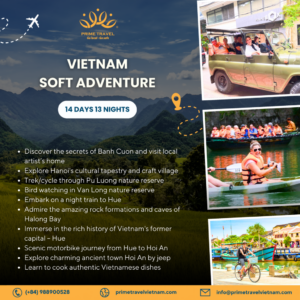
- 14-Day Vietnam Soft Adventure
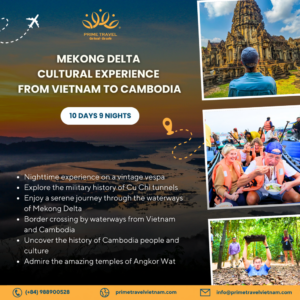
- 10-Day Mekong Delta Cultural Experience from Vietnam to Cambodia
>>Explore more>>
Complete Da Lat Travel Guide for First-Timers: When to Visit, Where to Stay, Best Things to Do
Vietnam Mountains Travel Guide for First-Timers: 10 Most Stunning Regions to Visit
Ultimate Guide to Visit Vietnam in Winter: 10 Best Destinations and Activities


