
10 Culture Shocks in Vietnam You’ll Experience (And How to Handle Them)
Vietnam is exciting, beautiful, and unforgettable, but it can also surprise you in ways you never expected. Culture shock is something that almost every traveler experiences once they get to travel to Vietnam.
In this guide, Prime Travel will walk you through 10 common culture shocks in Vietnam that travelers often experience, along with simple tips on how to handle them. Knowing what norms in Vietnam are helps you travel more confidently and connect better with local life.
Why do these phenomena exist?
Vietnam is a Southeast Asian country deeply influenced by Eastern traditions, values, and daily habits. As a result, travelers, especially those from Western countries, may find certain behaviors surprising or even confusing at first.
Some things that feel unusual or “strange” to visitors at home might be completely normal in Vietnam. These differences are not right or wrong; they simply reflect cultural differences. Stay with us and explore what you might experience in Vietnam.
Culture shocks in Vietnam that you might experience
Traffic chaos and crossing the street
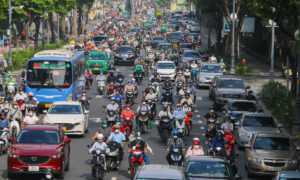
One of the biggest culture shocks in Vietnam is the traffic. Streets are filled with motorbikes moving in every direction, often with little space between them. For first-time visitors, the constant honking and lack of clear traffic rules can feel overwhelming. What looks like chaos is actually an unspoken system that locals understand well.
Crossing the street can be especially intimidating. Unlike in many Western countries, drivers here rarely stop at the zebra crossing. They will slowly navigate their vehicles to dodge pedestrians if they encounter any.
The most effective way to deal with this situation locally is to cross slowly and walk at a steady pace, allowing motorbikes to flow around you. Try to avoid sudden stops or running at all costs. It can confuse drivers and increase the risk of accidents. You can also make eye contact with drivers when possible.
To know more about road safety and traffic in Vietnam, you can check out our full blog.
Sidewalks are not entirely for walking
In Vietnam, sidewalks often serve many purposes beyond walking, which can surprise first-time visitors. In the past, as a result of heavy traffic along busy roads in big cities, some traffic participants even rode their motorbikes on the sidewalk.
The good thing is that this practice has now been reduced because the government has strengthened traffic regulations, increased fines, and improved enforcement to better protect pedestrians. However, you may still see motorbikes parked on the sidewalk, street food stalls set up, people sitting on small plastic stools, or vendors selling snacks and drinks.
In some areas, sidewalks even become extensions of homes or shops. This is a normal part of daily life and street culture in Vietnam. Because of this, pedestrians often have to walk around obstacles or step onto the road. For travelers, this can feel unsafe or inconvenient at first, especially in busy cities. However, locals are used to sharing space and navigating around each other smoothly.
To handle this culture shock in Vietnam, stay alert and flexible while walking. Wear comfortable shoes and be prepared to adjust your route often. Walking slowly and confidently helps drivers anticipate your movement.
The noise levels here are different
One common culture shock in Vietnam is the level of noise in daily life. Cities can feel loud from early morning until late at night, with motorbike horns, street vendors calling out, construction sounds, and even karaoke music echoing through neighborhoods.
For many locals, these sounds are simply part of everyday life and often go unnoticed. However, for first-time visitors, this may feel overwhelming and irritating. If you have trouble dealing with this problem, we advise you stay away from the main roads or popular attractions since these places may have a lot of excessive noise.
If you don’t feel too overwhelmed, it can actually be exciting to explore the city center, where the sounds reflect the rhythm of daily life in Vietnam. Over time, many travelers find themselves adjusting to the noise and even appreciating it as part of the city’s energy and character.
Hot and humid weather
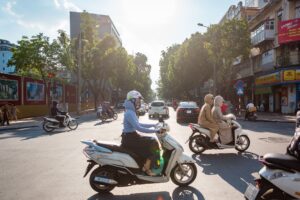
You might be warned about this, but don’t overlook it: The heat and humidity are as harsh as the cold in the winter.
In many parts of the country, temperatures remain high throughout the year, and humidity can make it feel even more scorching. Stepping outside for a short walk may leave you sweating quickly, which can be uncomfortable at first.
To handle this kind of weather, you should do what the locals do. Locals often start their day early, take breaks during the hottest hours, and stay indoors or in shaded areas at midday. Stay hydrated and schedule your activities to avoid staying outside during midday. Wear light, breathable clothing and take breaks when needed.
With a little preparation, your trip to Vietnam during the summer may feel more comfortable. If you want to get to know more about Vietnam’s weather, you can check out our full guide to Vietnam’s weather month-by-month so you can plan your trip accordingly.
Vietnamese people embrace napping culture daily
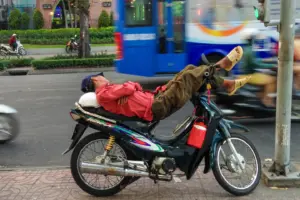
One surprising culture shock in Vietnam is how common daytime napping is. After lunch, many shops close briefly, and people take short naps to recharge. You may see shop owners resting on chairs, hammocks, or even motorbikes. And believe me, this is actually safe and comfortable since it is the way life is here in Vietnam.
Napping helps locals recover energy during the hottest part of the day. You can also take this time to slow down and relax at some cafes or at your own homestays. It’s great to blend in with the locals.
Bargaining is common in Vietnam
Yes, you can totally bargain in Vietnam, and you should. Bargaining is a normal part of shopping here, especially in local markets, souvenir stalls, and small shops where prices are often flexible rather than fixed.
Vendors may expect customers to negotiate, especially in tourist areas. For travelers not used to this, the process can feel uncomfortable or awkward at first. It is usually done with a smile and a friendly attitude.
You can start with a lower offer, and gradually meeting in the middle is common practice. Learning some basic phrases in Vietnam can go a long way in bargaining. Phrases like: “Bao nhiêu tiền?” – How much?; “Giảm giá được không?” – Can you give a discount?; “Đắt quá!” – Too expensive!) can be extremely useful.
However, please be aware that bargaining is not expected in supermarkets, malls, restaurants, or convenience stores where prices are clearly listed.
You’ll see a lot of “street ninjas” on the street
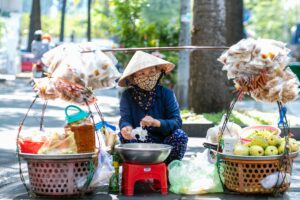
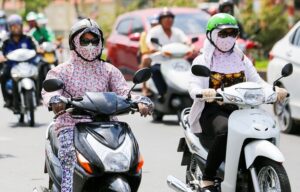
This phrase may be strange to travelers, but it is extremely prevalent among the Vietnamese community. Vietnamese women tend to be more into lighter skin, which also explains why the so-called “street ninjas” are often fully covered from head to toe with jackets, gloves, face masks, and visors.
This outfit is practical, not unusual, and very common in big cities. You will see it everywhere, especially during hot or sunny days. Once you know the reason behind it, street ninjas quickly become a familiar and fun sight to see rather than a surprise.
There might be staring and curiosity behaviors from locals
Another culture shock in Vietnam is the way locals may look at or observe foreign travelers. In some areas, especially small towns or rural regions, you may notice people staring, smiling, or even pointing. This behavior can feel uncomfortable or intrusive for visitors who are not used to it. In most cases, this curiosity comes from genuine interest rather than rudeness.
Many locals do not see foreign tourists every day, so they may be curious about different appearances, clothing, or languages. Children may wave, say hello, or try to start conversations. These moments are usually friendly and harmless.
To handle this Vietnam culture shock, respond with a smile or a simple greeting. Engaging politely often turns curiosity into a positive interaction. If you feel uncomfortable, just keep walking calmly or avoid eye contact without reacting negatively. Remember that this behavior is rarely meant to offend.

Bathroom and hygiene in Vietnam might be different from those in your home country
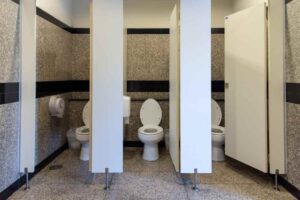
For the most part, bathrooms in Vietnam are fully furnished and in good condition when it comes to places like hotels, modern buildings, restaurants… However, bathroom facilities in public can be another culture shock for travelers.
In some public restrooms, you may encounter squat toilets instead of Western-style ones. Toilet paper is not always provided, and in many places, you are expected to use water for cleaning instead. These differences can surprise first-time visitors.
Hygiene standards also vary depending on location. While hotels, malls, and restaurants in big cities usually have clean and modern restrooms, facilities in rural areas or roadside stops may be basic.
You can prepare for this situation by carrying your own tissues, hand sanitizer, and wet wipes with you at all times. Choosing restrooms in cafés, hotels, or shopping centers can make things more comfortable.
Hospitality and generosity
Vietnamese people are often warm, welcoming, and eager to help, even if there is a language barrier. It is common for people to offer directions, share food, or strike up friendly conversations with visitors. This generosity reflects strong community values in Vietnam.
In some cases, foreigners may even be unexpectedly invited to a family meal or a local wedding. These invitations are usually genuine and purely come from kindness and hospitality. Sharing a meal is a meaningful way for Vietnamese people to connect and show respect to guests.
It may feel surprising, but if you feel like you want to join the locals, just do it. Accept their invitations politely, show gratitude, be respectful, and follow local customs. These moments often become some of the most memorable experiences of traveling in Vietnam.
Conclusion
Experiencing culture shock in Vietnam is completely normal, especially for first-time visitors. These differences are simply part of Vietnam’s unique way of life. While some moments may feel challenging at first, they often become easier to understand with an open mind and a bit of patience.
Many visitors find that once they adapt, Vietnam feels welcoming, lively, and full of warmth. By knowing what to expect and how to handle common culture shocks, you can travel more confidently and enjoy Vietnam to the fullest.
Highly recommend Vietnam tours
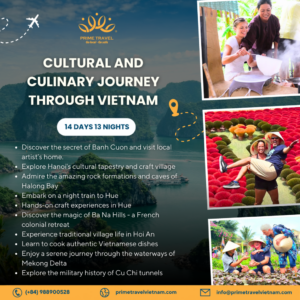
- 14-Day Cultural and Culinary Journey Through Vietnam
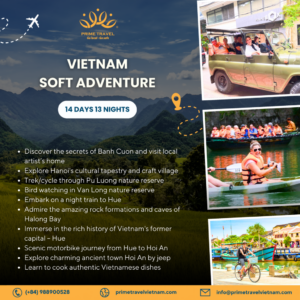
- 14-Day Vietnam Soft Adventure
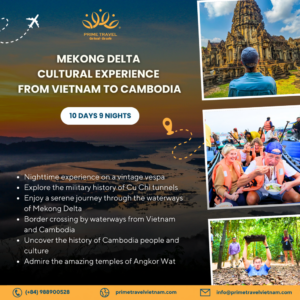
- 10-Day Mekong Delta Cultural Experience from Vietnam to Cambodia
 >>Explore more>>
Road Safety and Traffic in Vietnam: A COMPLETE Guide for First-Timers


