
Vietnam Mountains Travel Guide for First-Timers: 10 Most Stunning Regions to Visit
Vietnam is famous for its beaches and bustling cities, but its mountain regions offer an entirely different kind of beauty. Misty peaks, winding passes, and remote ethnic villages create landscapes that feel peaceful, wild, and unforgettable.
From the terraced hills of Sapa to the dramatic cliffs of Ha Giang, each destination has its own charm and culture. Traveling through the mountains lets you experience breathtaking viewpoints and the warm hospitality of local communities.
In this guide, Prime Travel will walk you through everything you need to know – best time to visit, how to get around, essential packing tips, and the top 10 mountain regions you shouldn’t miss. Let’s start planning your perfect journey into Vietnam’s most stunning highland landscapes.
Best Time to Visit Vietnam Mountains
Weather overview by season
The weather in Vietnam is complex because the country stretches over 1,600 km from north to south. This means that temperatures, rainfall, and seasonal patterns can vary greatly between regions – especially in the mountains. Therefore, it’s important to understand these differences so you can be better prepared for your trip to Vietnam.
Northern region
In the northern mountains like Sapa, Ha Giang, and Cao Bang, winter can be cold and misty, with temperatures dropping below 10°C. Some areas even see frost or light snowfall on the highest peaks. Spring brings mild temperatures and blooming flowers, while summer is warm with frequent showers.
Autumn is often considered the most beautiful season, offering clear skies and golden rice terraces. More importantly, the typhoon season in this region typically hits from July to September, resulting in heavy rainfall, slippery roads, and even landslides.
Central and South region
The central and southern mountain regions, such as Da Lat, Pu Luong, and Quang Binh, experience a milder and more stable climate. Dalat enjoys spring-like weather year-round, with average temperatures around 15–25°C. Pu Luong has warm summers and cooler winters, but rarely gets as cold as the far north.
Central Vietnam’s rainy season typically falls between September and December, which can bring heavier showers to mountainous areas. When planning your Vietnam mountain trip, knowing these regional patterns helps you choose the right destination for each season.
Overall, Vietnam’s mountains offer something special year-round. Whether you want cool winter views, lush green landscapes in summer, or golden harvest colors in autumn, there’s always a perfect time to explore.
Read more>> Top Things To Do In Pu Luong Nature Reserve – The Ultimate Guide 2025
Best time to visit the mountains
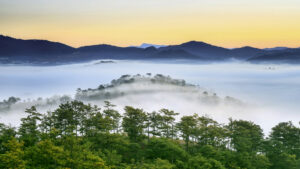
The best time to explore the mountains of Vietnam depends on what you want to see, but most travelers agree that autumn (September–November) and spring (March–May) offer the most comfortable and scenic conditions.
During these months, the weather is cool, visibility is clear, and rainfall is minimal. This is when the northern mountains showcase their most iconic landscapes, from golden rice terraces in September to blooming spring flowers in spring.
Winter (December–February) is also a great choice if you love cold weather and dramatic misty scenery. This season is also known as the “cloud-hunting season” in the mountainous areas. Sapa, Ha Giang, and even Ta Xua offer a high chance of witnessing stunning seas of clouds during winter mornings.
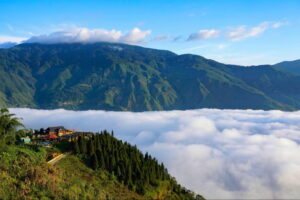
However, temperatures can drop sharply, especially at high altitudes, so proper clothing is essential. Summer (June–August) brings lush greenery and vibrant local festivals, but it also overlaps with the northern typhoon season. Roads can become slippery, and heavy rain may affect travel plans, especially in remote regions.
For central and southern mountains like Dalat, Pu Luong, or Quang Binh, the dry season from December to April is the most pleasant time to visit. Clear skies, mild temperatures, and minimal rain make it ideal for trekking and sightseeing.
In general, the ideal time to visit the mountains in Vietnam is when the weather is stable, and landscapes are at their best – allowing you to enjoy beautiful views, comfortable trails, and memorable cultural experiences.
How to Get Around Mountain Regions in Vietnam
Getting around the mountains in Vietnam can be an adventure on its own, with each region offering different ways to explore. The most popular option is traveling by car or private transfer, which provides comfort, flexibility, and safety – especially on winding mountain roads.
Many travelers choose this option when visiting remote areas like Ha Giang, Cao Bang, or Mu Cang Chai. If you’re planning your first trip using a Vietnam mountain travel guide, a private car is one of the most reliable ways to enjoy the scenery without the stress of navigating unfamiliar routes.
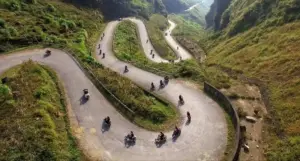
However, if you want to enjoy the mountain view at its purest beauty, motorbikes are an iconic way to explore, offering freedom and a closer connection to nature. This option is popular in Ha Giang, Sapa, and Ta Xua, where riders can stop at viewpoints or villages along the way.
However, it’s recommended only for confident and experienced drivers. Guided motorbike tours, also known as “easy riders”, are available for travelers who want the experience without handling the driving themselves.
Read more>> Ultimate Guide to Visit Vietnam in Winter: 10 Best Destinations and Activities
Top 10 Most Stunning Mountain Regions in Vietnam
Sapa
Sapa is one of the most iconic destinations in any Vietnam mountain travel guide, thanks to its dramatic scenery and rich cultural heritage. Nestled in the Hoang Lien Son Range, this mountain town is famous for terraced rice fields, cloud-covered valleys, and cool weather year-round.
Visitors can explore local markets, meet ethnic minority communities, and experience a slower pace of life surrounded by nature. Sapa’s beauty changes each season, offering lush greenery in summer and golden terraces in autumn.
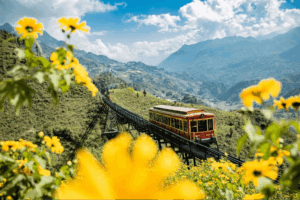
For adventure lovers, Sapa offers some of the best trekking routes in the Vietnam mountains. Popular trails lead to villages like Lao Chai, Ta Van, or Y Linh Ho, where you can enjoy peaceful landscapes and warm hospitality. If you don’t want to explore the region by hiking, you can take the cable car to Fansipan, the highest peak in Indochina.
Ha Giang
Located in the far north, it is famous for dramatic limestone peaks, winding passes, and remote ethnic minority villages. The Ha Giang Loop, a multi-day motorbike journey through the mountains, has become a legendary experience among travelers.
Many visitors share emotional stories on social media about how the loop changed their lives, offering a sense of freedom and connection that is difficult to put into words. With every turn, Ha Giang reveals landscapes that feel untouched and endlessly inspiring.
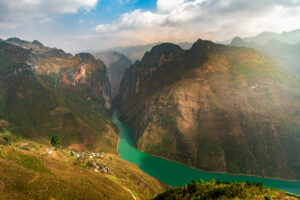
For adventure travelers and nature lovers, Ha Giang promises adventure, culture, and breathtaking scenery. The journey takes you through highlights such as Dong Van Karst Plateau, Ma Pi Leng Pass, and Meo Vac Valley.
Local homestays offer an authentic look into highland traditions, allowing visitors to enjoy warm meals, shared stories, and peaceful rural living. If you seek a destination that combines raw nature with powerful emotions, Ha Giang is a must-visit.
Read more>> Where to See Rice Fields in Vietnam?
Cao Bang
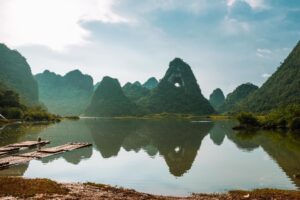
Cao Bang, known for its emerald lakes, towering limestone mountains, and breathtaking waterfalls, is a hidden gem for those seeking untouched natural beauty and authentic cultural experiences. Located in the northeast, this province is home to Ban Gioc Waterfall – the largest waterfall in Vietnam and one of the most stunning in Southeast Asia.
The combination of dramatic cliffs, gentle rivers, and wide open valleys creates a landscape that feels both majestic and calming. Compared to more famous mountain destinations, Cao Bang remains quiet and uncrowded, making it an ideal choice for travelers who love nature and want to avoid tourist crowds.
You can explore some natural attractions such as Ban Gioc Waterfall, Lenin Stream, Angel Eye Mountain… Besides, Cao Bang is also home to a lot of ethnic minority groups Tay, Nung, and Hmong. You can stay in a local homestay and immerse yourself in their daily life, doing the local activities.
Moc Chau
Moc Chau is a peaceful highland plateau in northern Vietnam, celebrated for its green tea hills, flower fields, and gentle mountain landscapes. This region is perfect for visitors seeking a relaxing experience in the Vietnam mountains.
Moc Chau is also famous for its cool climate year-round, making it ideal for sightseeing, photography, and outdoor activities. Local markets and ethnic minority villages allow travelers to experience authentic culture while exploring rolling hills and quiet valleys.
Seasonal highlights include vibrant plum blossoms in winter and blooming sunflowers in summer. Whether you’re chasing beautiful landscapes, tranquil escapes, or cultural experiences, Moc Chau offers a gentle yet unforgettable mountain journey for all types of travelers.
Read more>> Travel To Vietnam with Kids: ULTIMATE Guide To Vietnam for Family Vacation
Yen Bai (Mu Cang Chai)
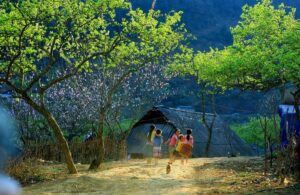
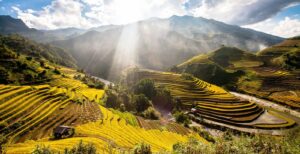
Mu Cang Chai in Yen Bai province is one of the most iconic destinations when it comes to Vietnam mountains, famous for its breathtaking rice terraces that cascade down the mountainsides. This region comes alive during the harvest season from September to October, when golden fields stretch across the valleys and hills.
Traveling through Mu Cang Chai offers not only stunning landscapes but also the chance to connect with ethnic minority communities such as the H’Mong and Dao, who maintain centuries-old traditions and vibrant culture.
The winding roads leading to villages like La Pan Tan, Che Cu Nha, and De Xu Phinh reveal panoramic views at every turn. You can also stay at local homestays to experience rural life, enjoy traditional cuisine, and witness daily farming practices firsthand.
Da Lat
Da Lat, located in Vietnam’s southern highlands, is a favorite destination for travelers seeking cool weather, pine forests, and charming landscapes. Known as the “City of Eternal Spring,” Da Lat enjoys mild temperatures year-round, making it ideal for first-time visitors exploring the Vietnam mountains.
The city is famous for its flower gardens, serene lakes, and colonial architecture, offering a unique combination of natural beauty and cultural charm. Beyond the city, Da Lat provides countless outdoor activities and scenic spots.
Visitors can trek through Lang Biang Mountain, wander around Elephant Falls, or cycle along peaceful country roads surrounded by coffee and tea plantations. The region is also known for its local markets and street food, giving travelers a taste of highland culture.
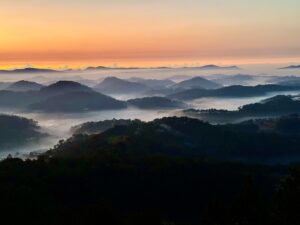
Pu Luong
Pu Luong Nature Reserve in Thanh Hoa province is a hidden gem for those who want to explore the Vietnam mountains. Known for its lush valleys, terraced rice fields, and dense forests, Pu Luong offers a peaceful escape from crowded tourist spots.
The area is home to the Tay and Thai ethnic communities, allowing visitors to experience authentic local culture while enjoying the serene mountain landscapes. Adventure seekers will love trekking to the top of Mt. Pu Luong or taking a swim at Hieu Waterfall.
The region also offers opportunities for cycling, birdwatching, and photography, with landscapes that change dramatically with the seasons – from vibrant green terraces in summer to golden fields during harvest. Pu Luong combines natural beauty, cultural richness, and tranquility, making it an unforgettable mountain destination in Vietnam.
Read more>> Top Things To Do In Pu Luong Nature Reserve – The Ultimate Guide 2025
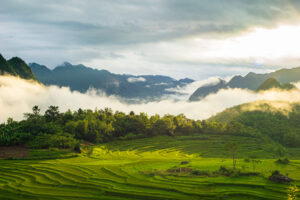
Quang Binh
Located in central Vietnam, the province is home to Phong Nha–Ke Bang National Park, a UNESCO World Heritage site featuring lush forests, limestone peaks, and countless caves. Beyond its caves, Quang Binh’s mountains and hills offer peaceful trekking routes, breathtaking viewpoints, and opportunities to experience local highland culture.
Adventure lovers can explore lesser-known areas such as Tu Lan Cave System or Mooc Spring Eco Trail, where trails wind through dense forests, streams, and karst formations. The region is also perfect for those seeking tranquility, with quiet villages and stunning natural landscapes that feel untouched.
Staying in local homestays or eco-lodges and enjoying fresh mountain air and panoramic views are must-do activities here. Quang Binh’s mix of adventure, culture, and natural beauty is what makes travelers fall in love with this region.

Son La (Ta Xua)
Ta Xua in Son La province is a dream destination for first-time visitors seeking dramatic mountain landscapes in northern Vietnam. Known for its towering peaks, deep valleys, and rolling clouds, Ta Xua has gained traction among travelers and photographers chasing the “sea of clouds” phenomenon.
This area is an essential stop for anyone following a Vietnam mountain travel guide, offering unforgettable sunrise and sunset views over mist-covered mountains. Besides cloud hunting, Ta Xua provides opportunities for trekking, camping, and exploring local Thai and H’Mong villages.
This place also offers a wide range of accommodations, from cozy homestays in local villages to eco-lodges nestled in the mountains. Staying overnight allows travelers to fully experience the tranquil highland atmosphere, witness the clouds rolling through the valleys at dawn, and enjoy peaceful evenings under starry skies.
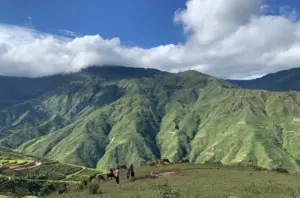
Mai Chau
Mai Chau, located in Hoa Binh province, is a peaceful valley surrounded by gentle mountains and lush rice fields, making it a must-visit for travelers exploring the Vietnam mountains. Known for its tranquil landscapes and vibrant Thai ethnic culture, Mai Chau offers a relaxing escape from busy city life.
Visitors can enjoy cycling or walking through quiet villages, exploring terraced fields, and witnessing traditional stilt houses scattered across the valley. Beyond its natural beauty, Mai Chau is famous for its warm hospitality and cultural experiences.
Local homestays allow travelers to enjoy traditional meals, music, and dances, providing an authentic glimpse into daily life in the highlands. The area also offers opportunities for hiking and short treks through the surrounding hills, where scenic viewpoints reveal panoramic views of the valley.
Read more>> Hidden Gems of Vietnam – Top 10 Off the Beaten Path and Local Experiences
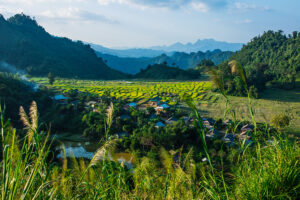
What to Pack for Mountain Travel in Vietnam
Packing smart is essential for a comfortable and enjoyable Vietnam mountain travel experience. Here a a few essential things you should pack when traveling to the mountains in Vietnam:
- Weather in the mountains can change quickly, so layering is key. Bring lightweight clothing for daytime warmth, a waterproof jacket for sudden rain, and warmer layers for chilly mornings and evenings.
- Comfortable walking shoes or trekking boots with good grip are essential for exploring trails, villages, and viewpoints safely.
- Other essentials you can bring include a hat and sunglasses for sun protection, a reusable water bottle, and a small backpack for day trips.
- Electronics like a camera, a power bank, and a portable charger are useful for capturing stunning landscapes.
- Personal items such as toiletries and basic first-aid supplies are recommended, especially if staying in remote homestays.
- For trekking or adventurous activities, gloves, scarves, or trekking poles can make your journey more comfortable.
With the right preparation, traveling to the mountains in Vietnam can be quite comfortable and rewarding.
Mountain Travel Tips for First-Time Visitors
Traveling to the Vietnam mountains for the first time can be exciting but also challenging without proper preparation. Check out these tips for a smooth travel experience:
- Plan your itinerary carefully, allowing enough time for rest between destinations.
- Check the weather forecast before heading to the Northern mountains, especially during typhoon season, and adjust your plans accordingly.
- Booking guided tours or private transfers can make your trip safer and more comfortable, particularly if you’re unfamiliar with mountain roads or local conditions.
- If you plan to explore by motorbike, ensure your bike is in good condition, wear a helmet, and carry rain gear and warm layers. Drive cautiously on winding roads, and avoid riding at night.
- Pack essentials like layered clothing, sturdy walking shoes, and a rain jacket.
- Stay hydrated and bring snacks for long journeys or treks.
- Respect local customs when visiting ethnic minority villages, and ask permission before taking photos of people or their homes.
By following these tips, first-time visitors can enjoy stunning landscapes, cultural experiences, and peaceful moments while making their Vietnam mountain travel adventure safe, comfortable, and unforgettable.
Highly recommend Vietnam tours
- 14-Day Cultural and Culinary Journey Through Vietnam

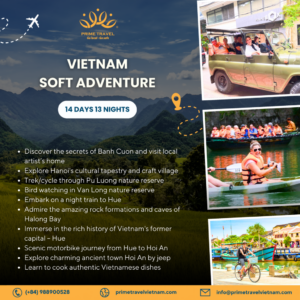
- 14-Day Vietnam Soft Adventure
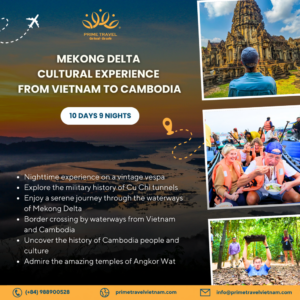
- 10-Day Mekong Delta Cultural Experience from Vietnam to Cambodia
Road Safety and Traffic in Vietnam: A COMPLETE Guide for First-Timers